Tanzania Safari Tours - Private & Group Safaris from Moshi

Experience the thrill of a lifetime on a Tanzanian safari! Witness the Great Migration, spot the Big Five, and immerse yourself in breathtaking landscapes, from the Serengeti plains to the Ngorongoro Crater. Our expert guides ensure unforgettable wildlife encounters and authentic African adventures. Book your dream safari today!

All Safaris

See the Big Five in action

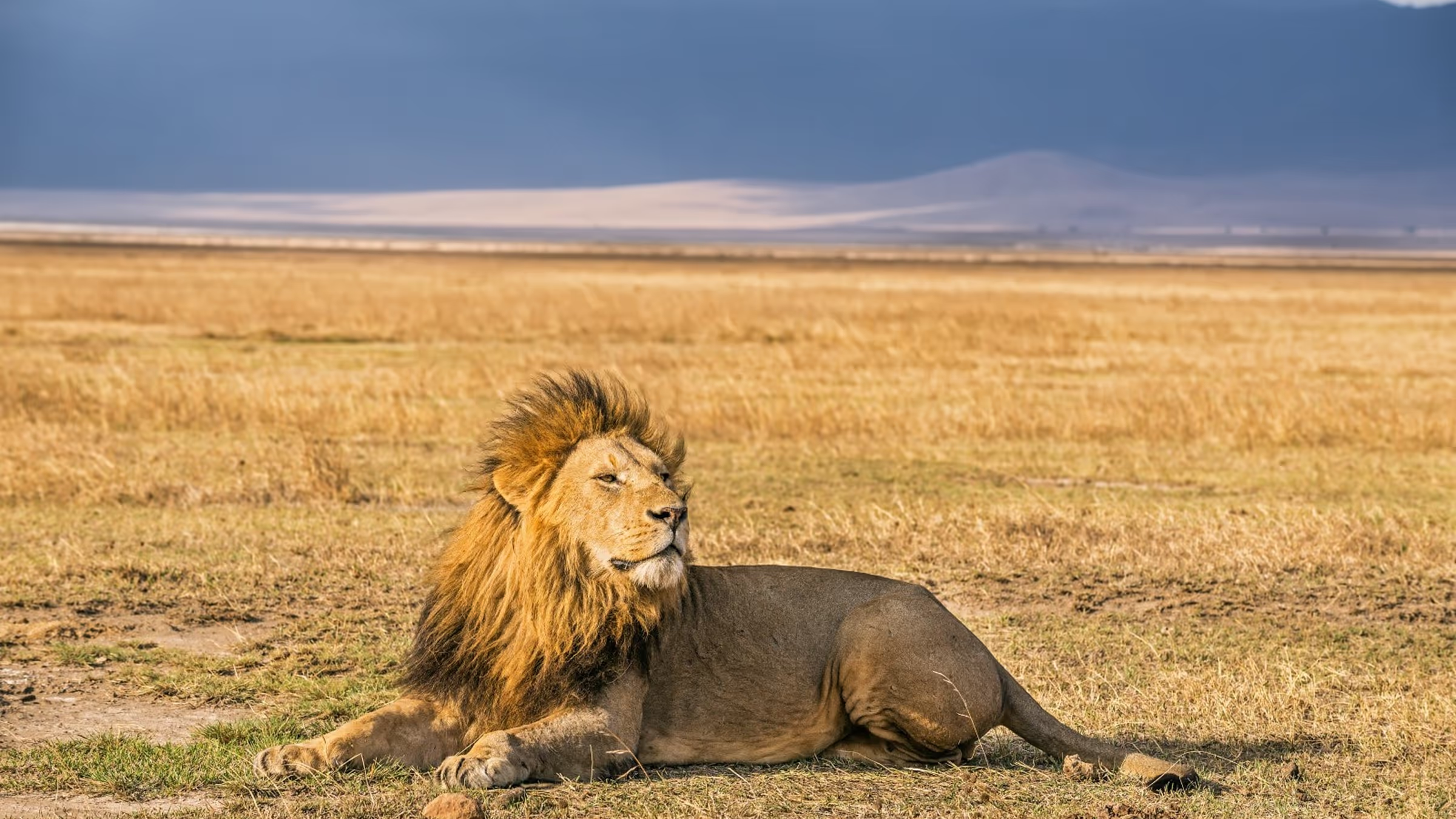
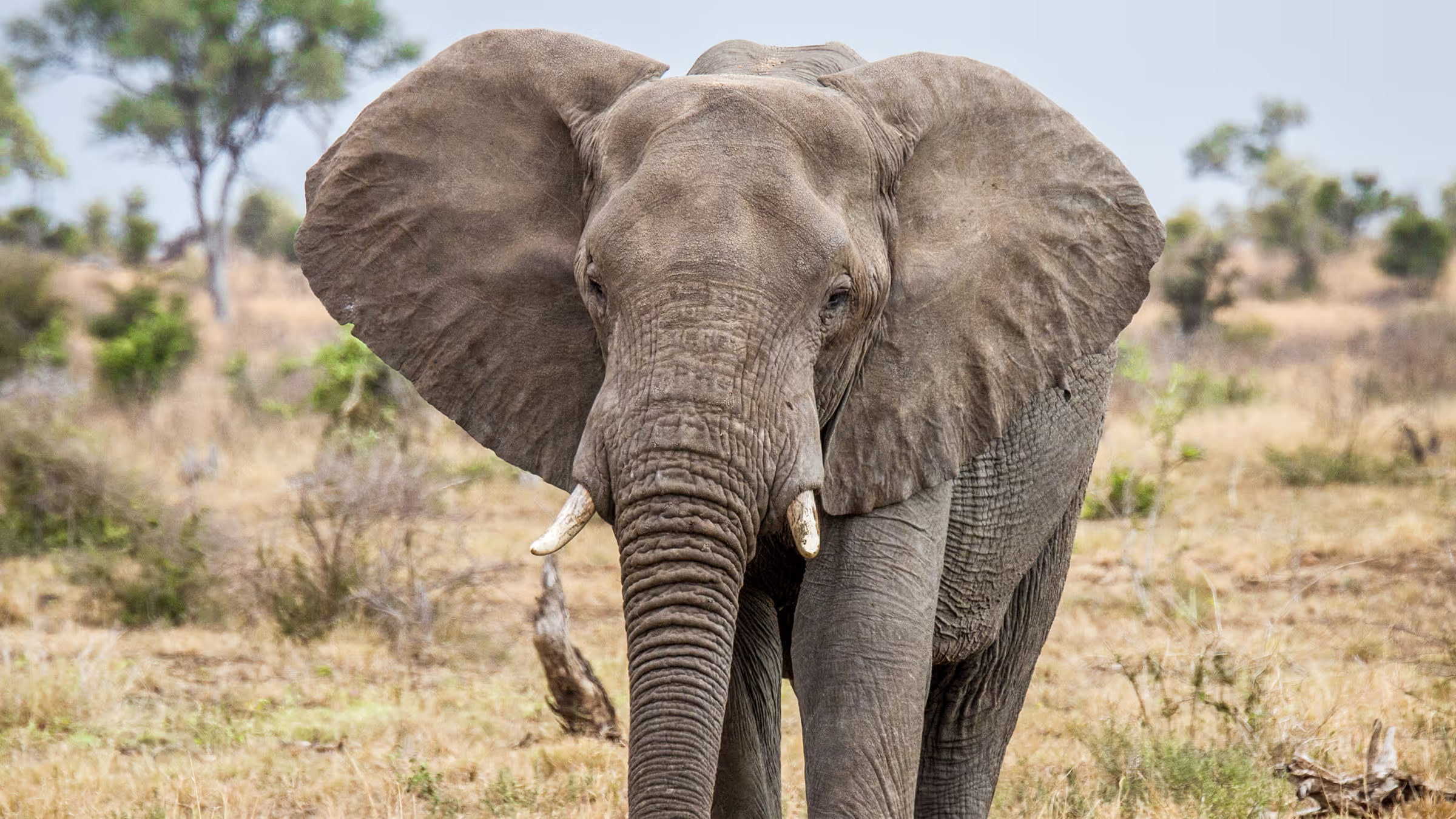
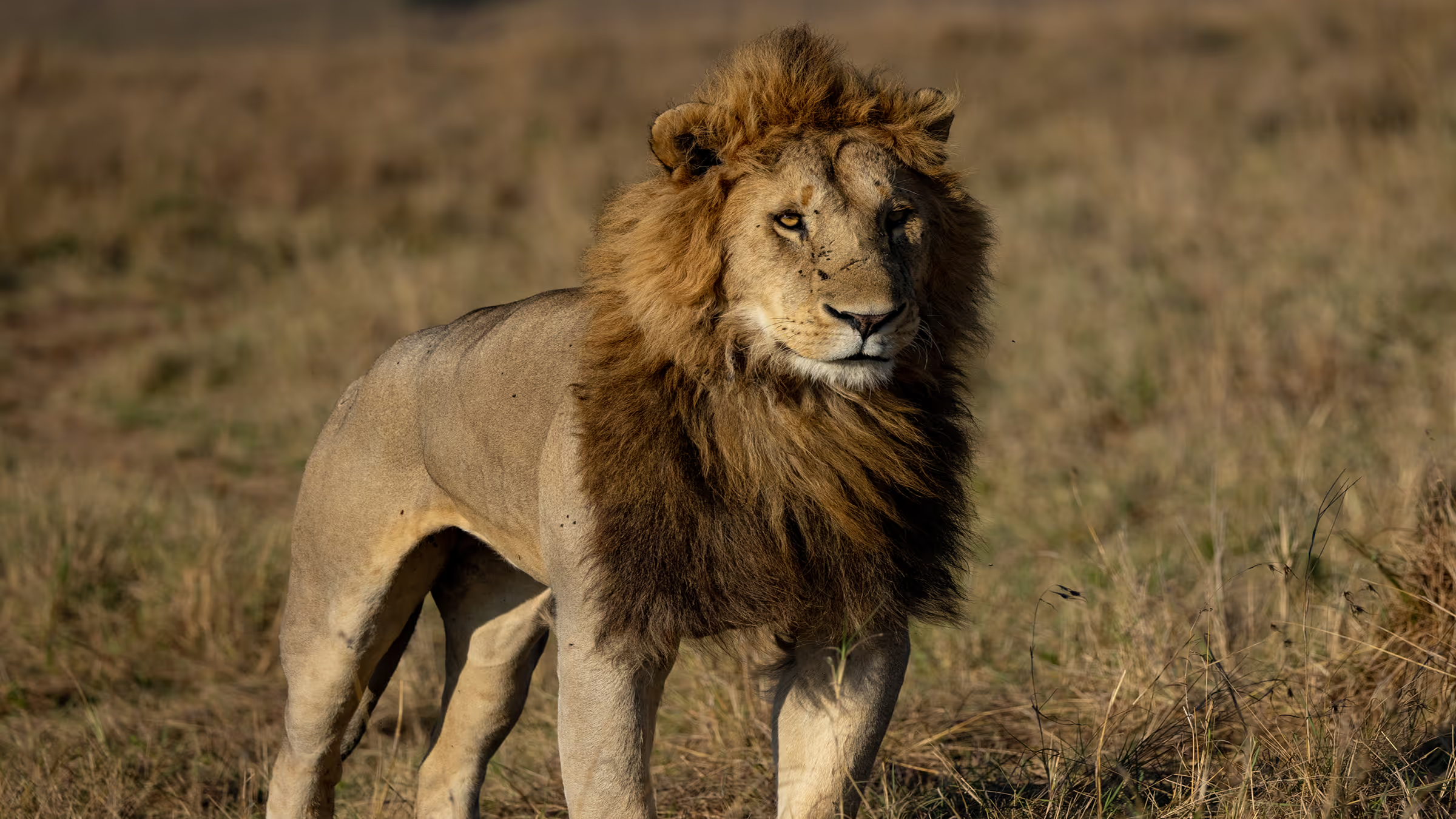
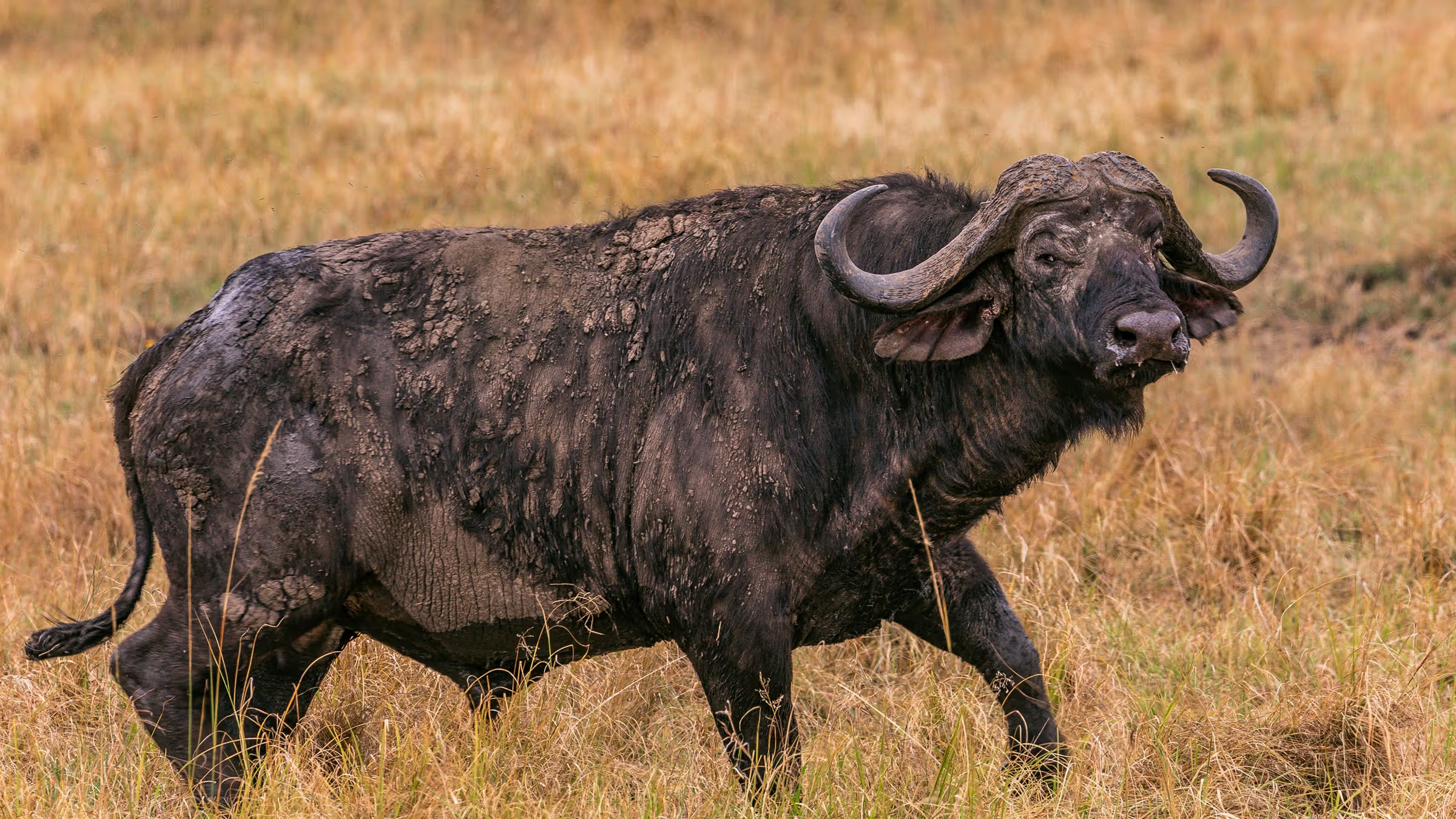
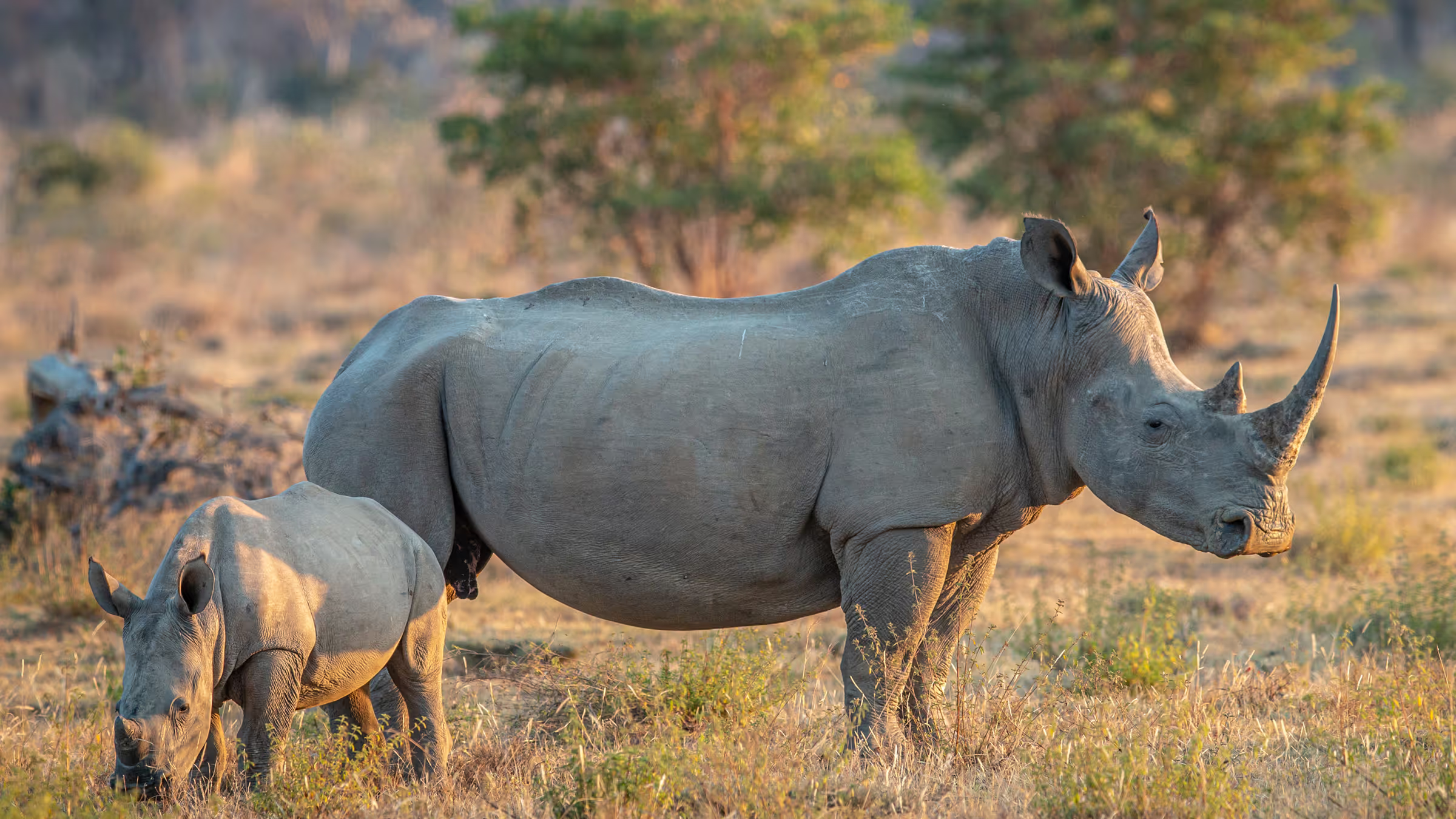
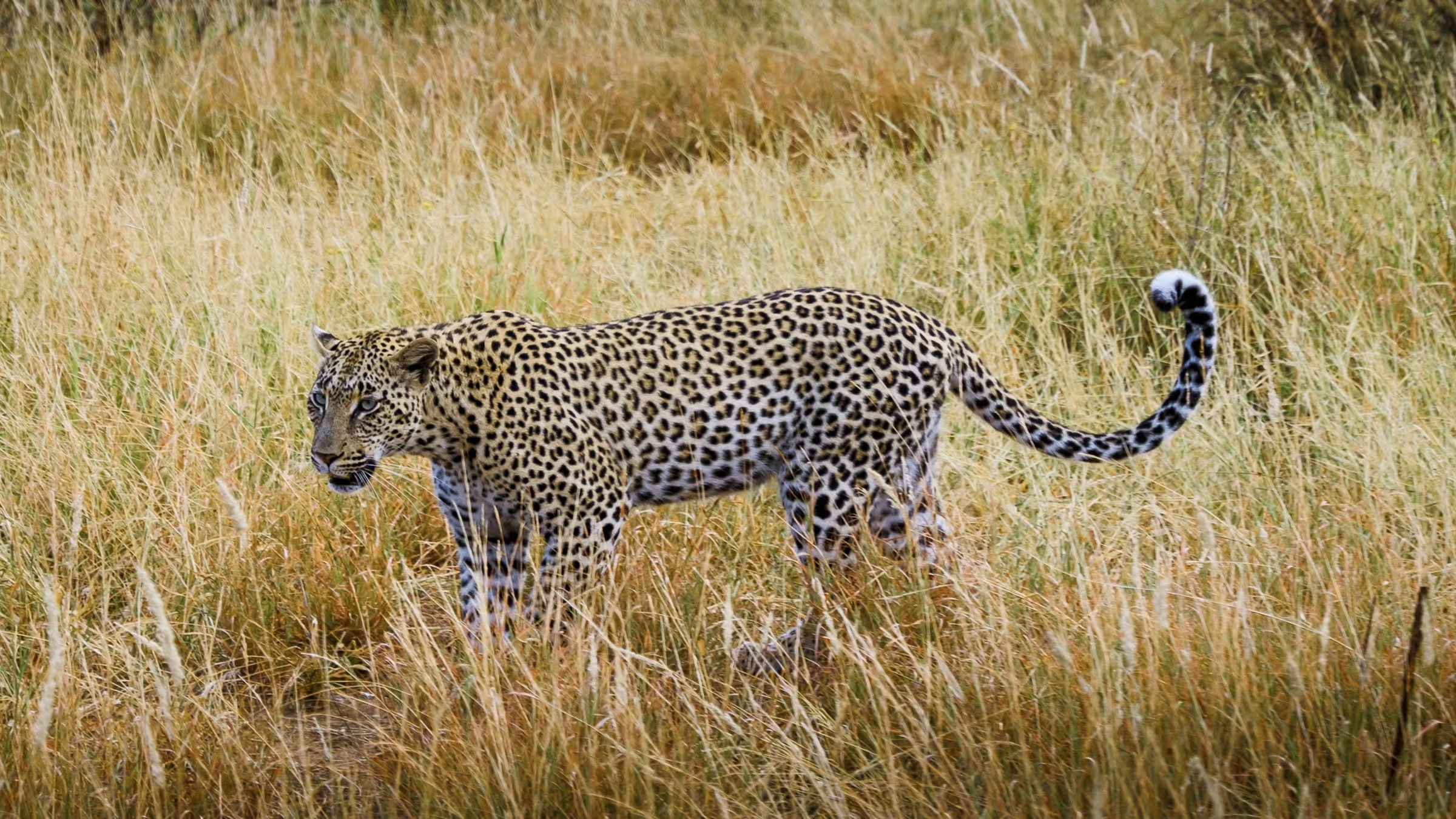
The Big Five – images of ferocious lions, elephants trumpeting, charging rhinos, lurking buffalos and leopards prowling in the savannah should be racing through your mind. These are amongst some of the main attractions of safaris in Tanzania.

The main attractions

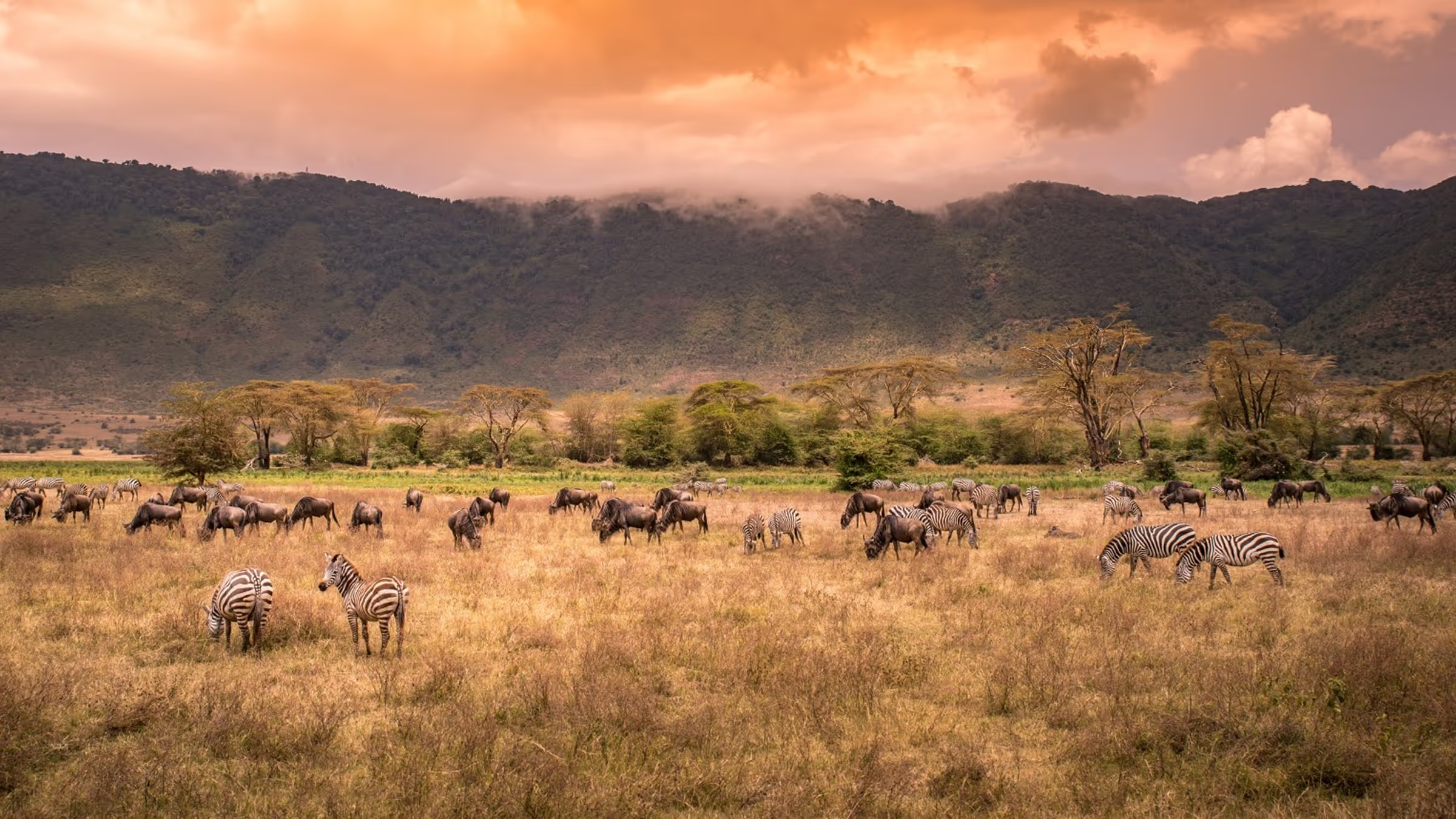
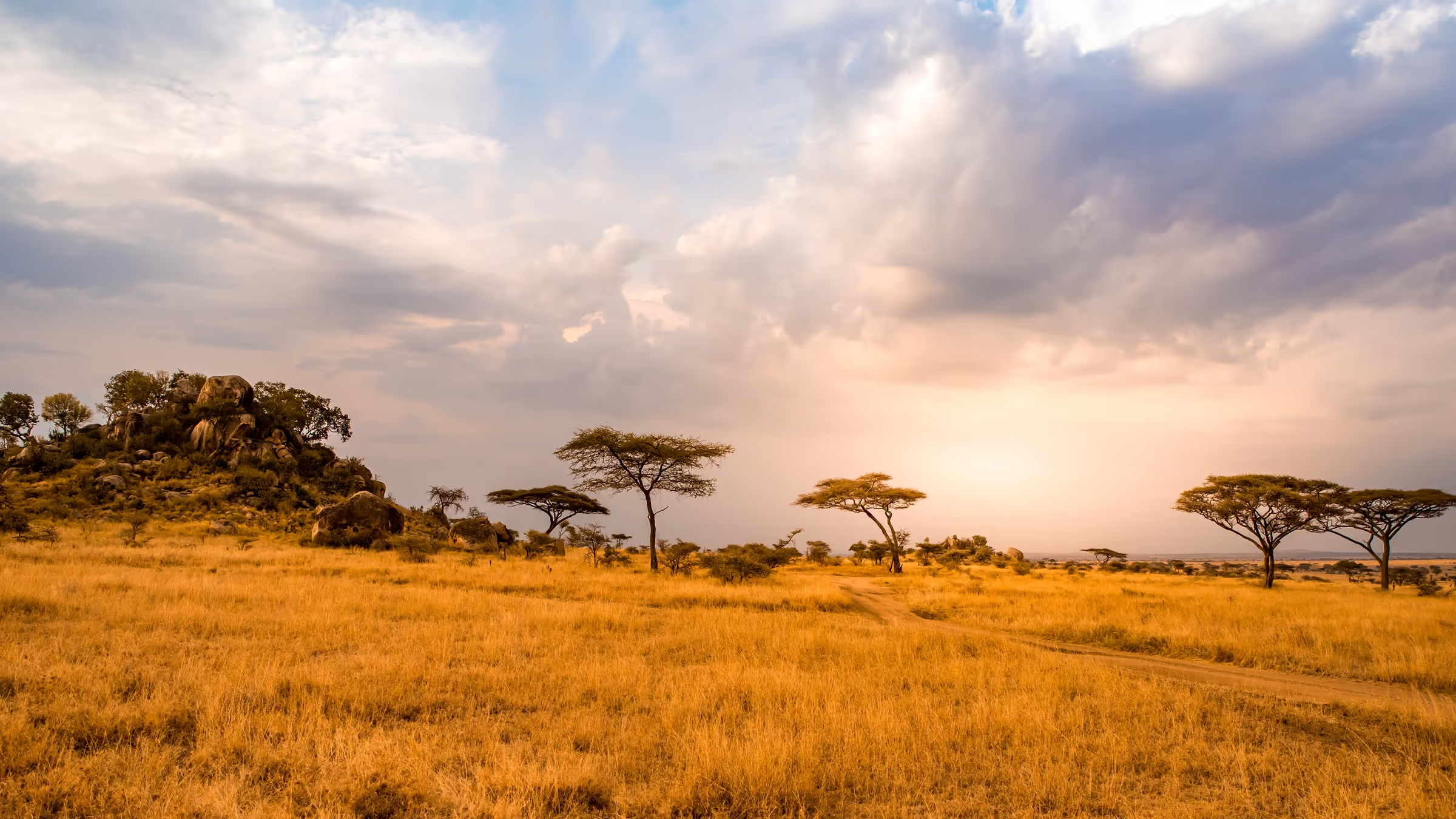
Tanzania is the optimal destination for a safari. The tranquillity of the ancient national parks will allow you to revitalize from the moment of arrival. The vast amount of plant and animal species ensure that no day is like the other. It is home to the plains of the infamous Serengeti National Park, the breath taking Ngorongoro Crater, the canopies of baobabs at the Tarangire National park and Lake Manyara which features tree-climbing lions. Tanzania safaris are assured to exceed every expectation you have.

Serengeti National Park

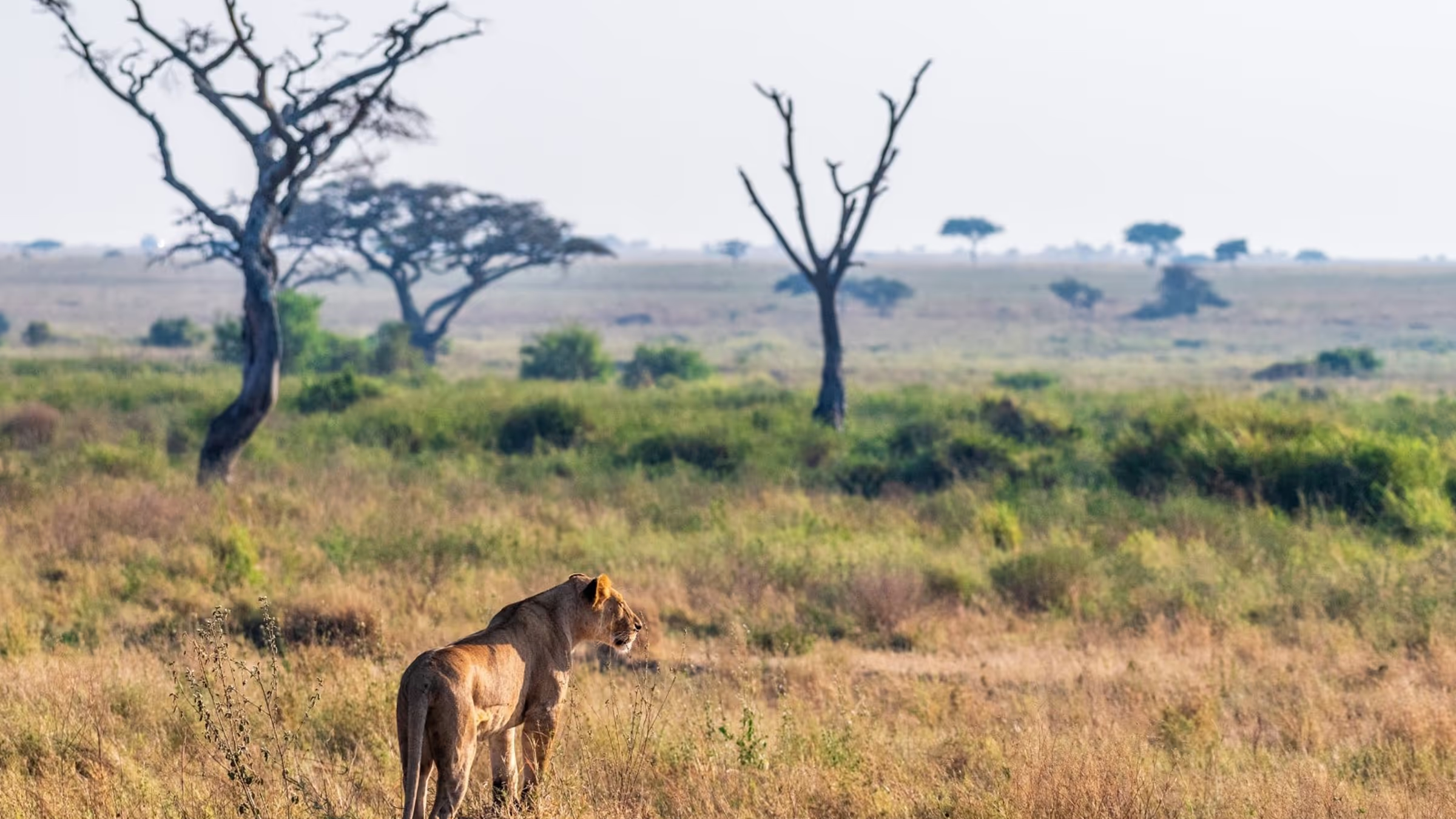
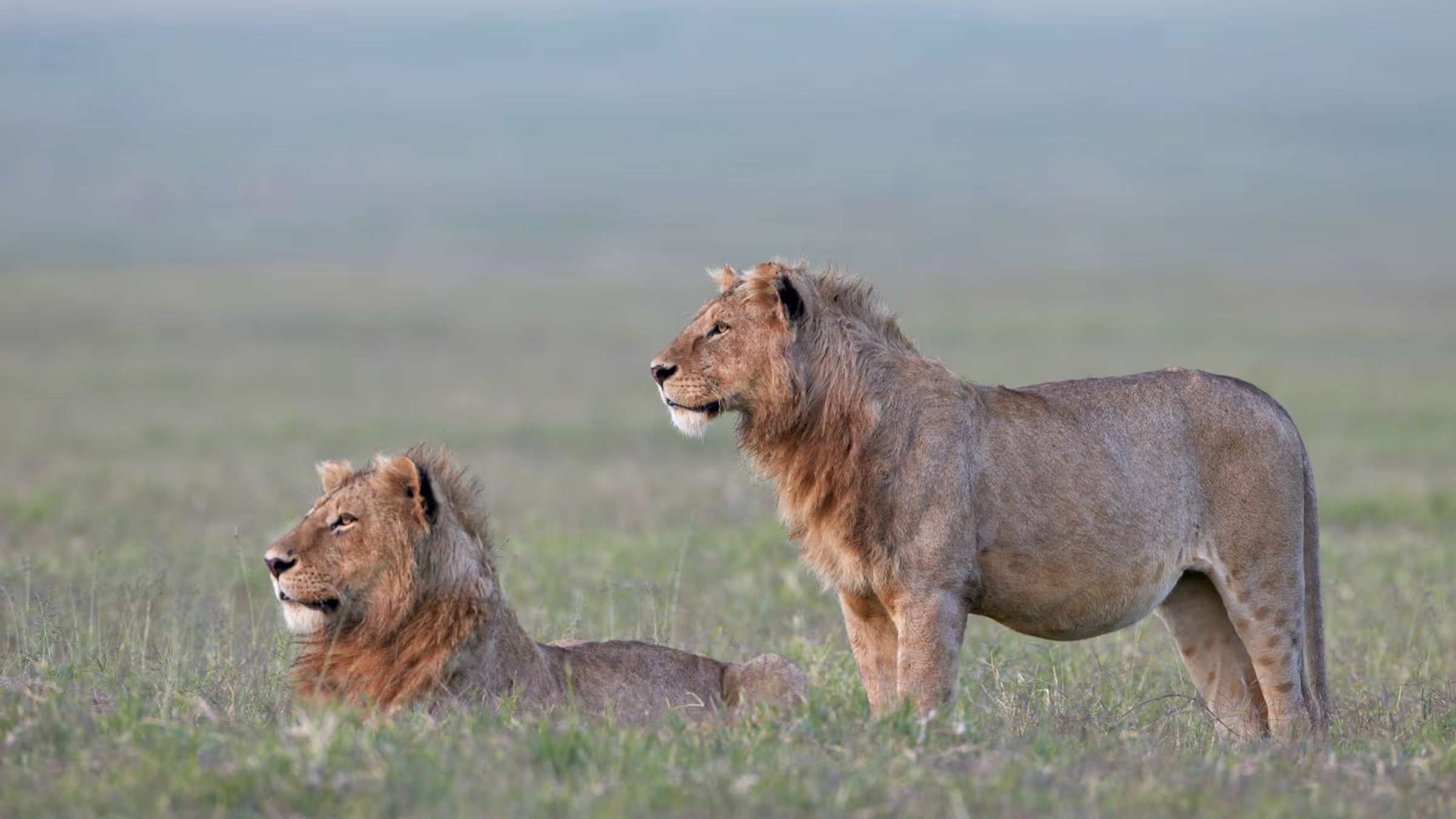
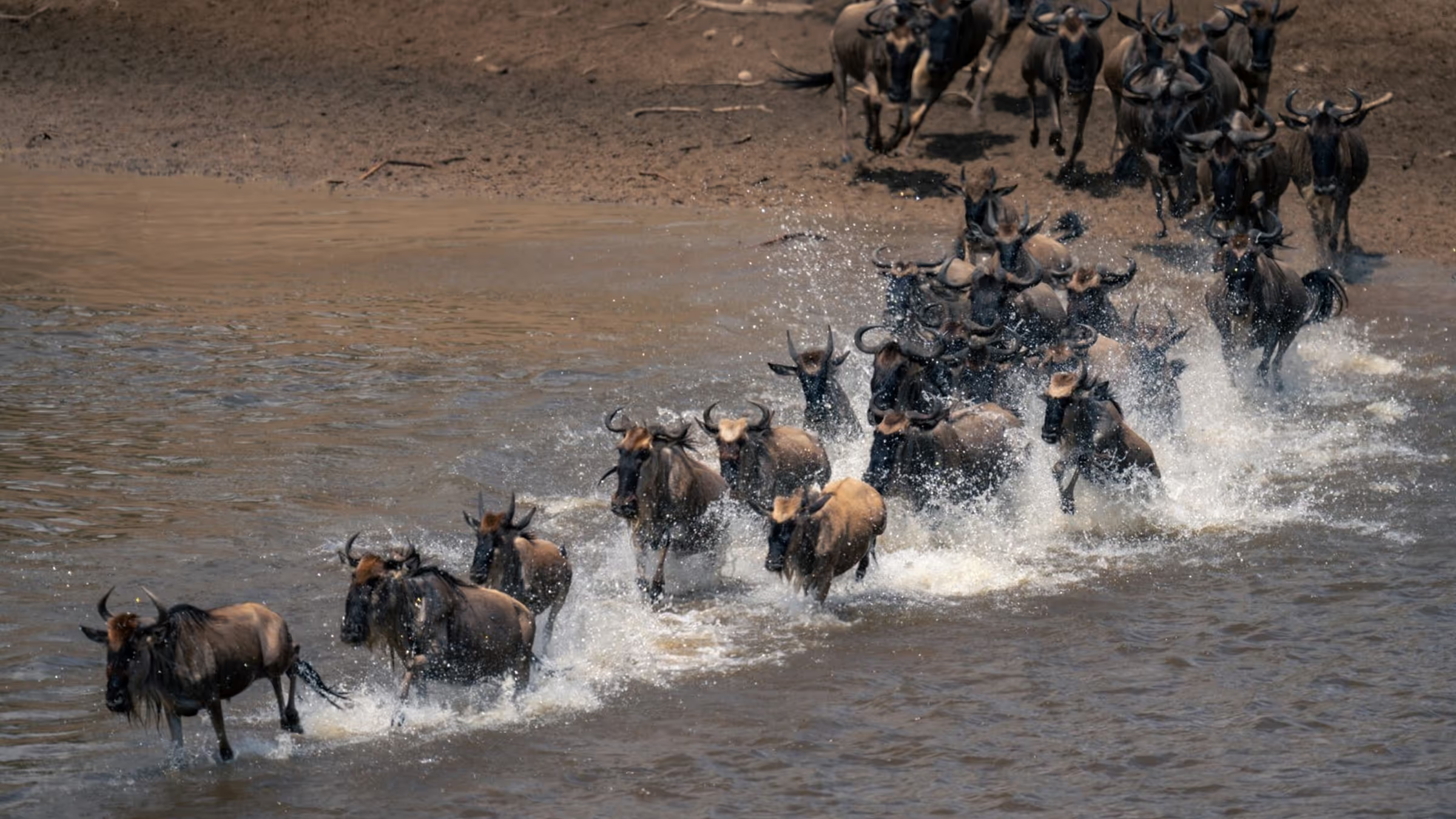
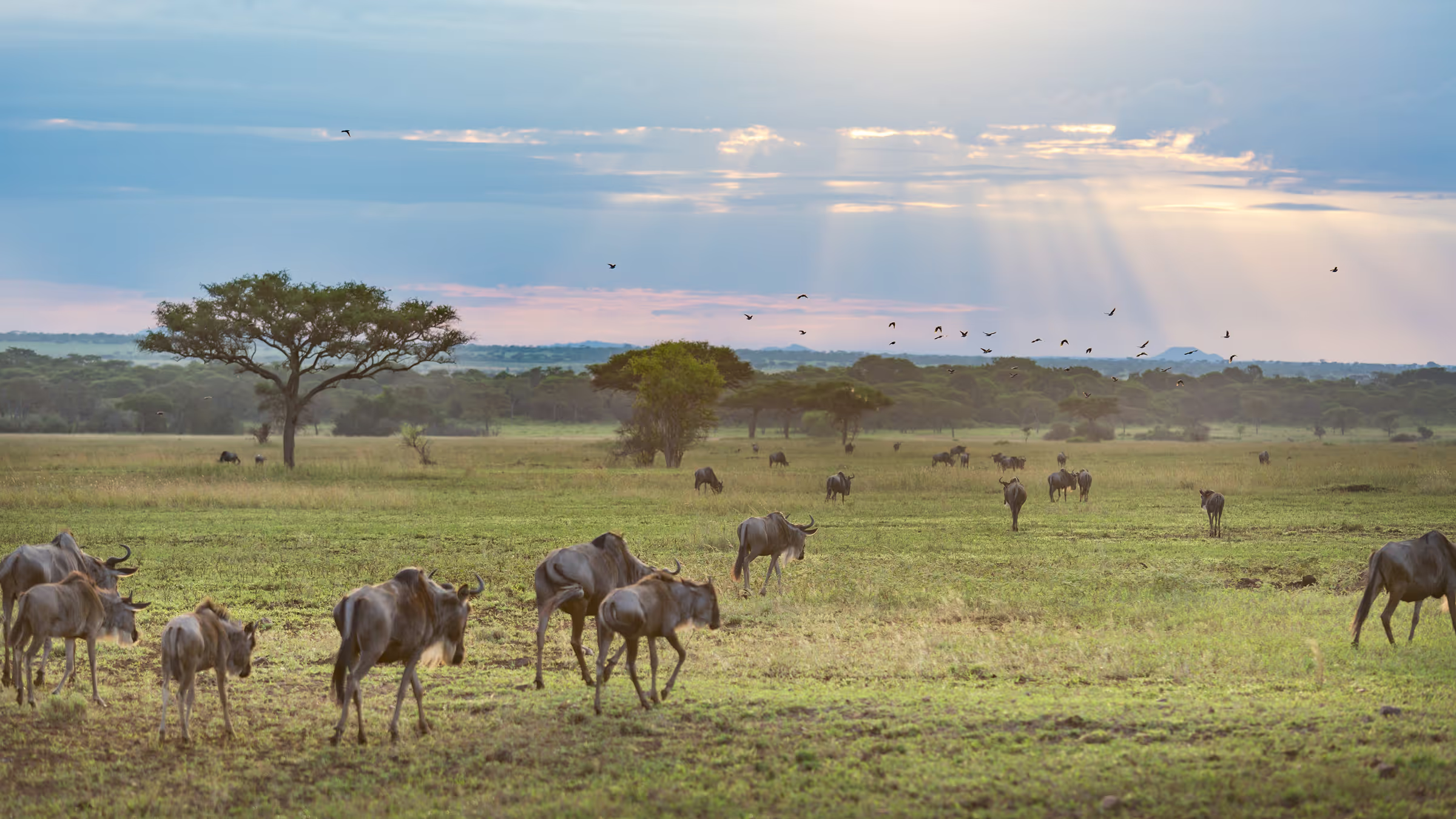
Serengeti National Park in Tanzania is a UNESCO World Heritage Site famous for its vast, treeless plains and the Great Migration, an annual journey of over two million wildebeest, gazelles, and zebras. It hosts one of the highest concentrations of predators in Africa, including lions, leopards, and cheetahs.

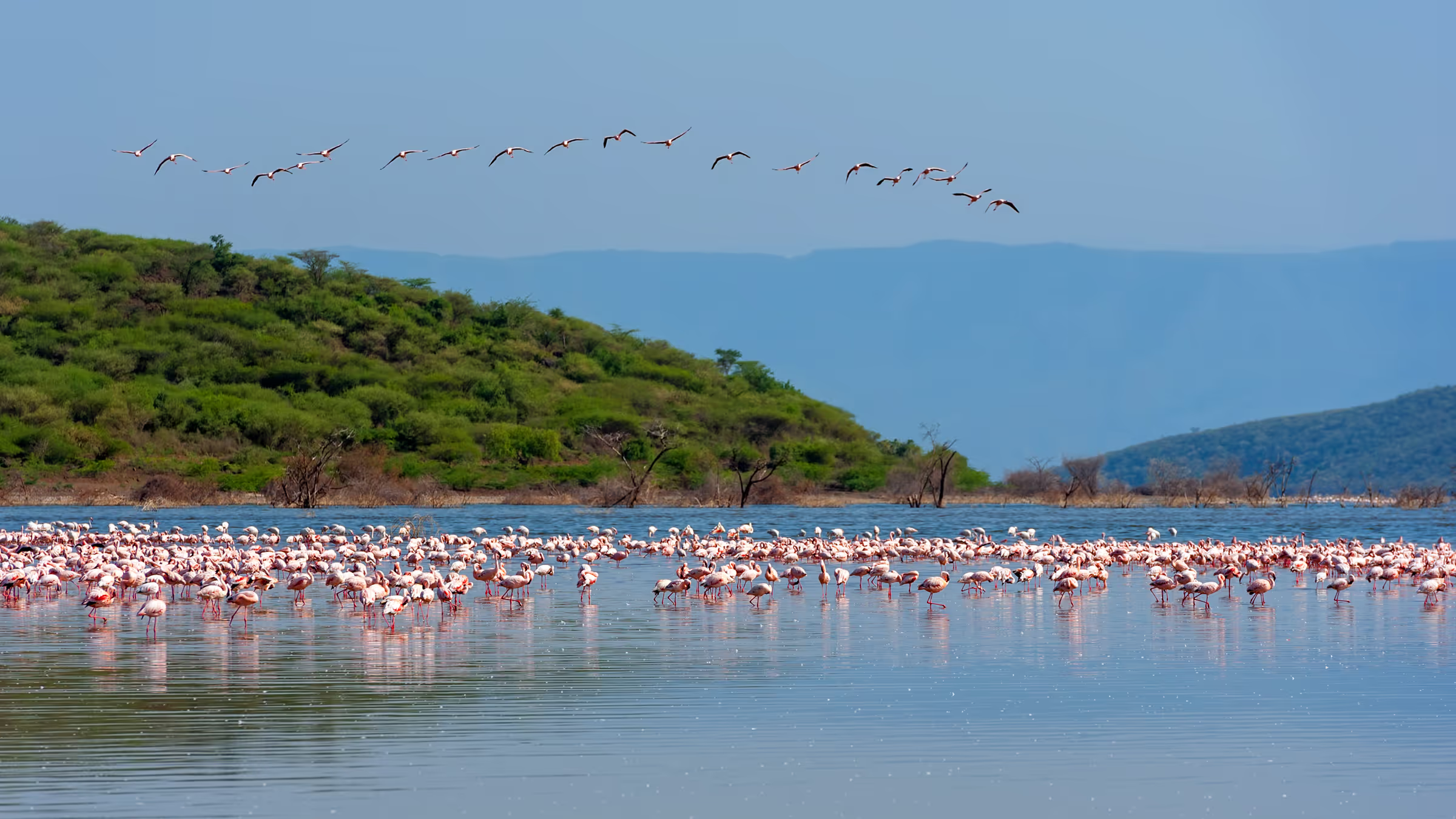
Pink flamingoes at Lake Manyara in Tanzania

Lake Manyara

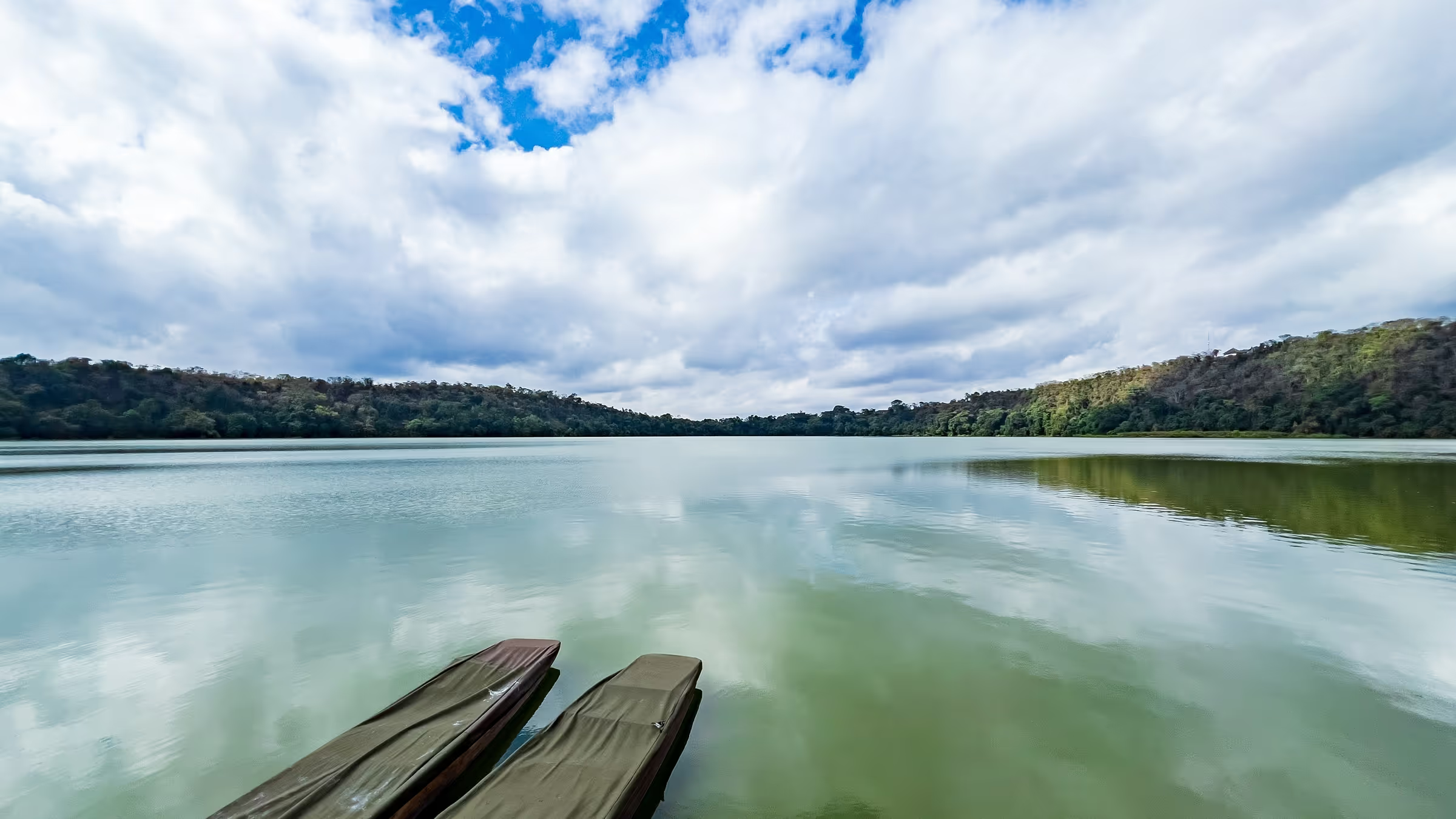
Lake Manyara National Park is a protected area in Tanzania known for its stunning soda lake, which attracts thousands of flamingos and diverse birdlife. The park is also famous for its unique tree-climbing lions and large troops of baboons, offering a rich and varied safari experience in a compact and beautiful setting.

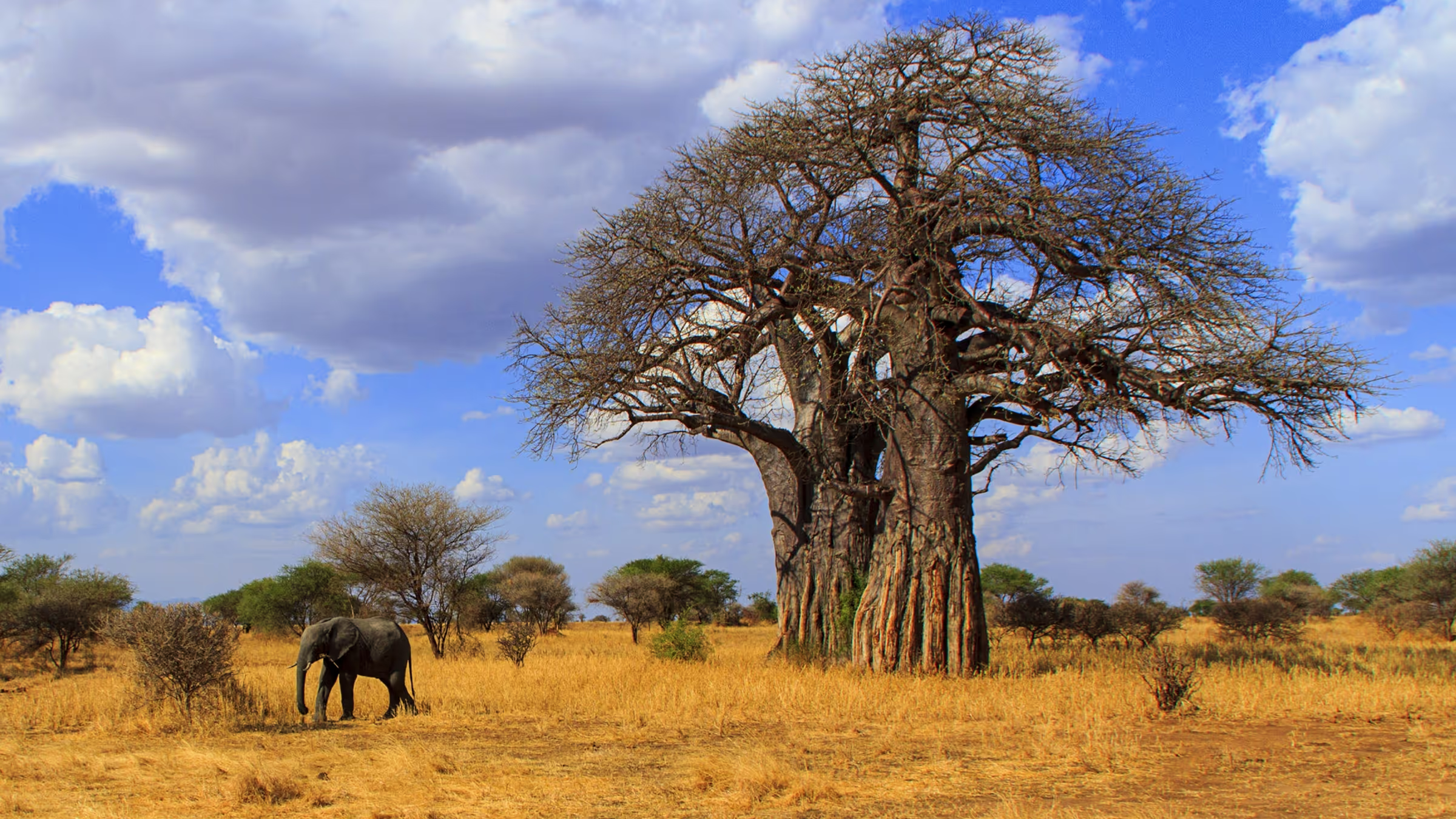
Tarangire National Park

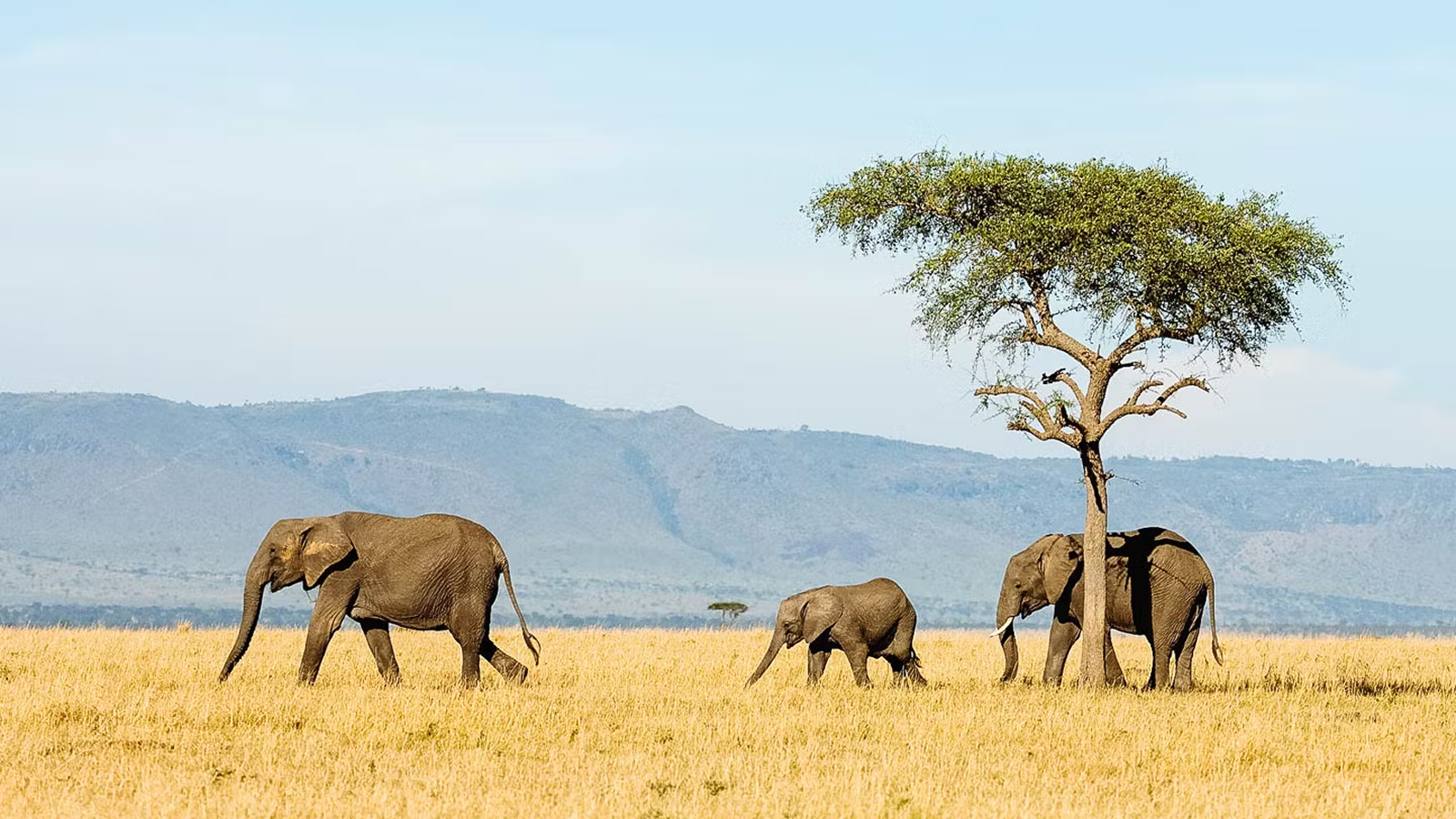
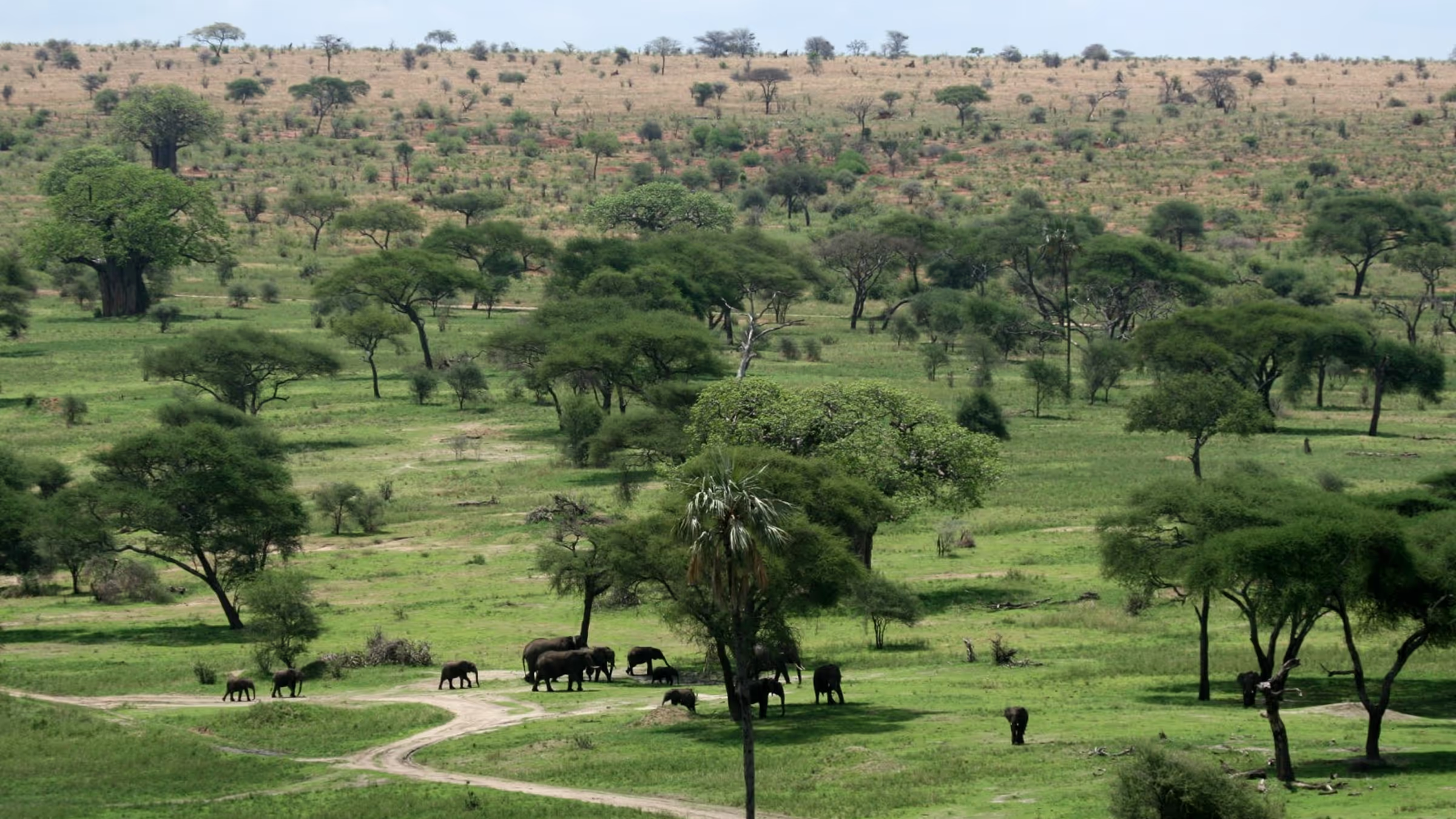
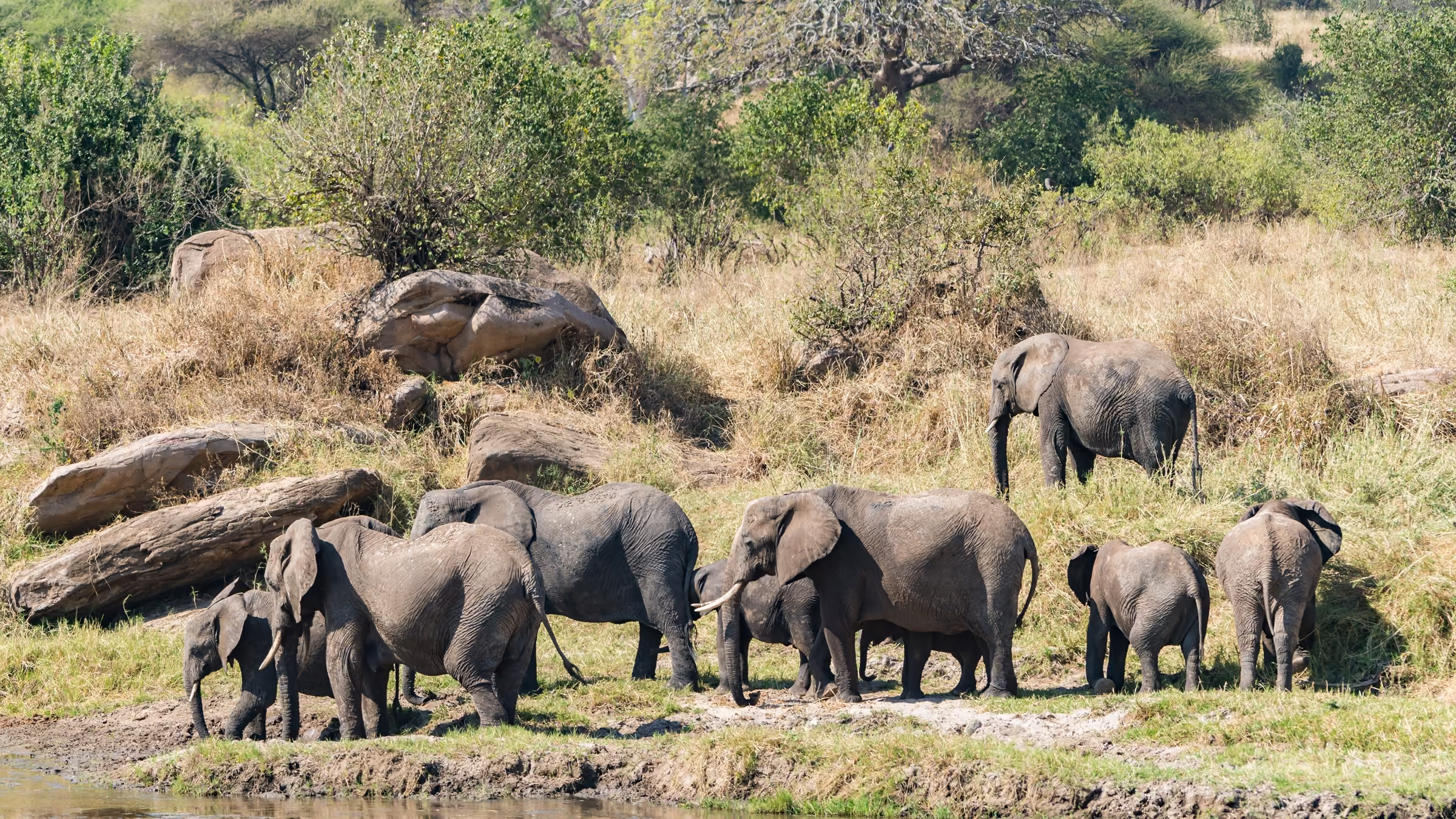
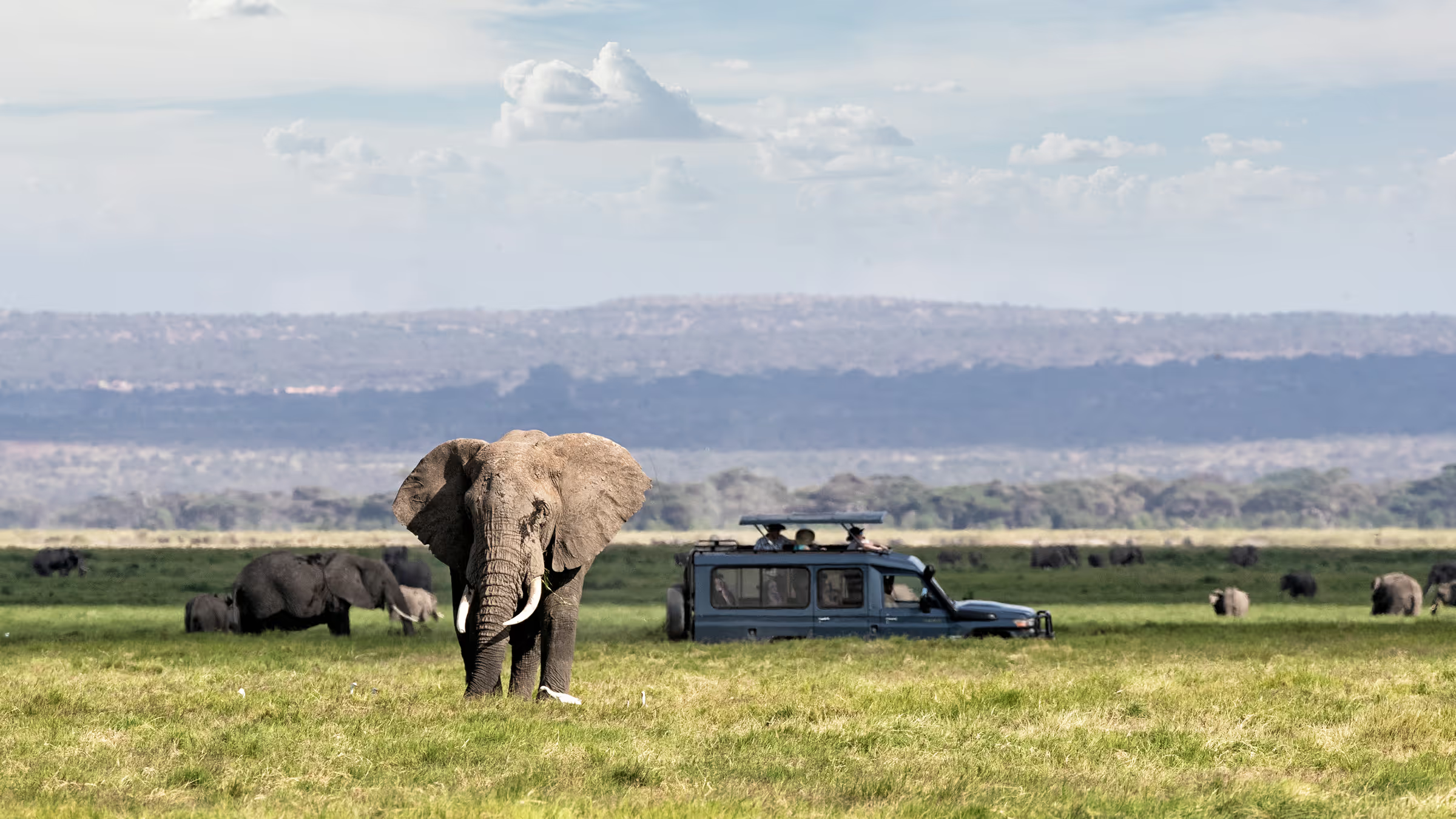
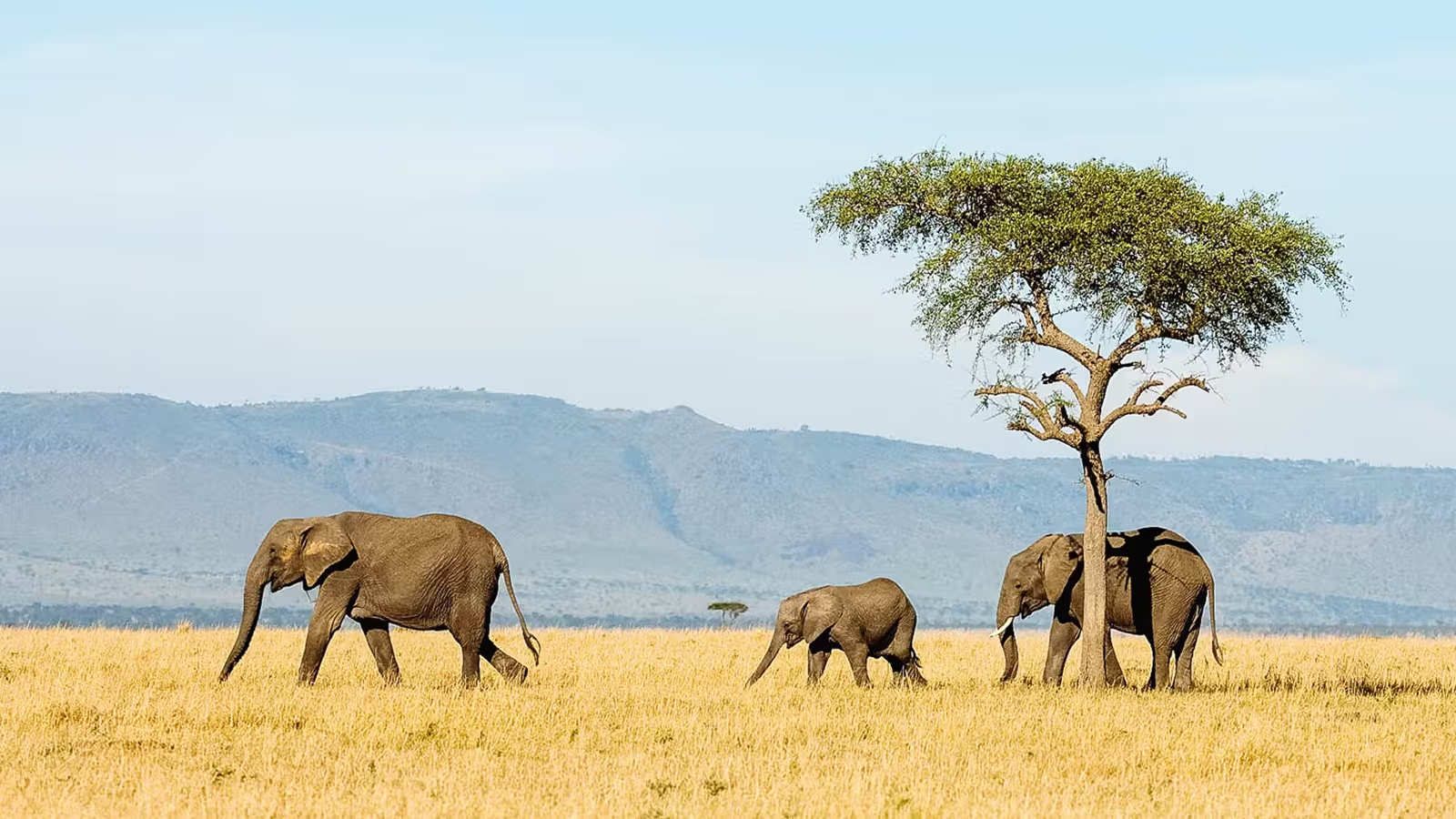
Tarangire National Park is a haven for elephants, known for its massive herds that gather around the Tarangire River during the dry season. The park's landscape is famous for its ancient baobab trees, which provide a picturesque backdrop for wildlife viewing. It's a key part of northern Tanzania's safari circuit.

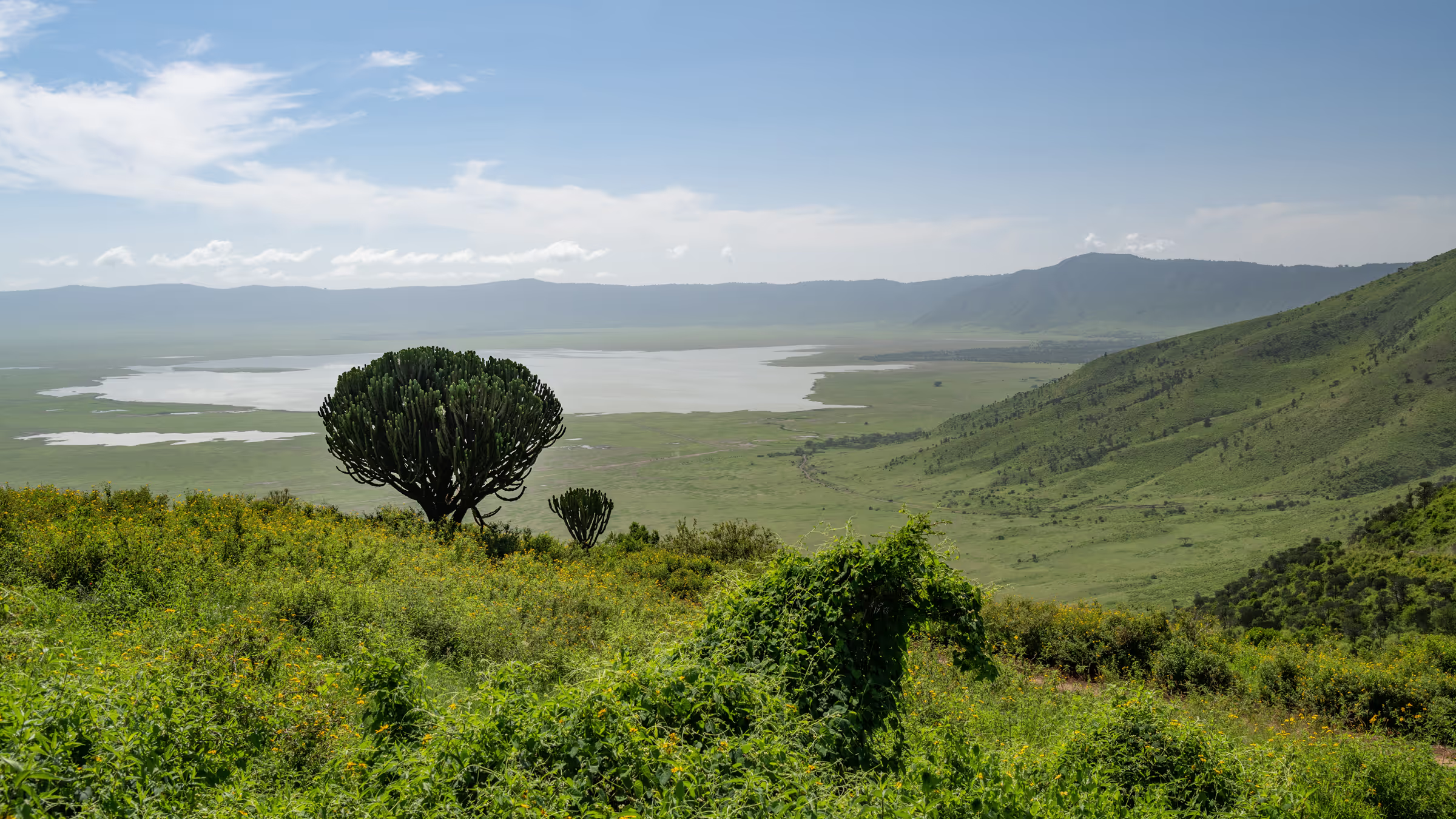
Ngorongoro Conservation Area

The Ngorongoro Conservation Area in Tanzania is a UNESCO World Heritage Site famous for the Ngorongoro Crater, the world's largest unbroken volcanic caldera. This unique ecosystem is a year-round haven for a high density of wildlife, including the "Big Five" and a significant population of black rhinos. The area is also home to Olduvai Gorge, a key archaeological site for human evolution.

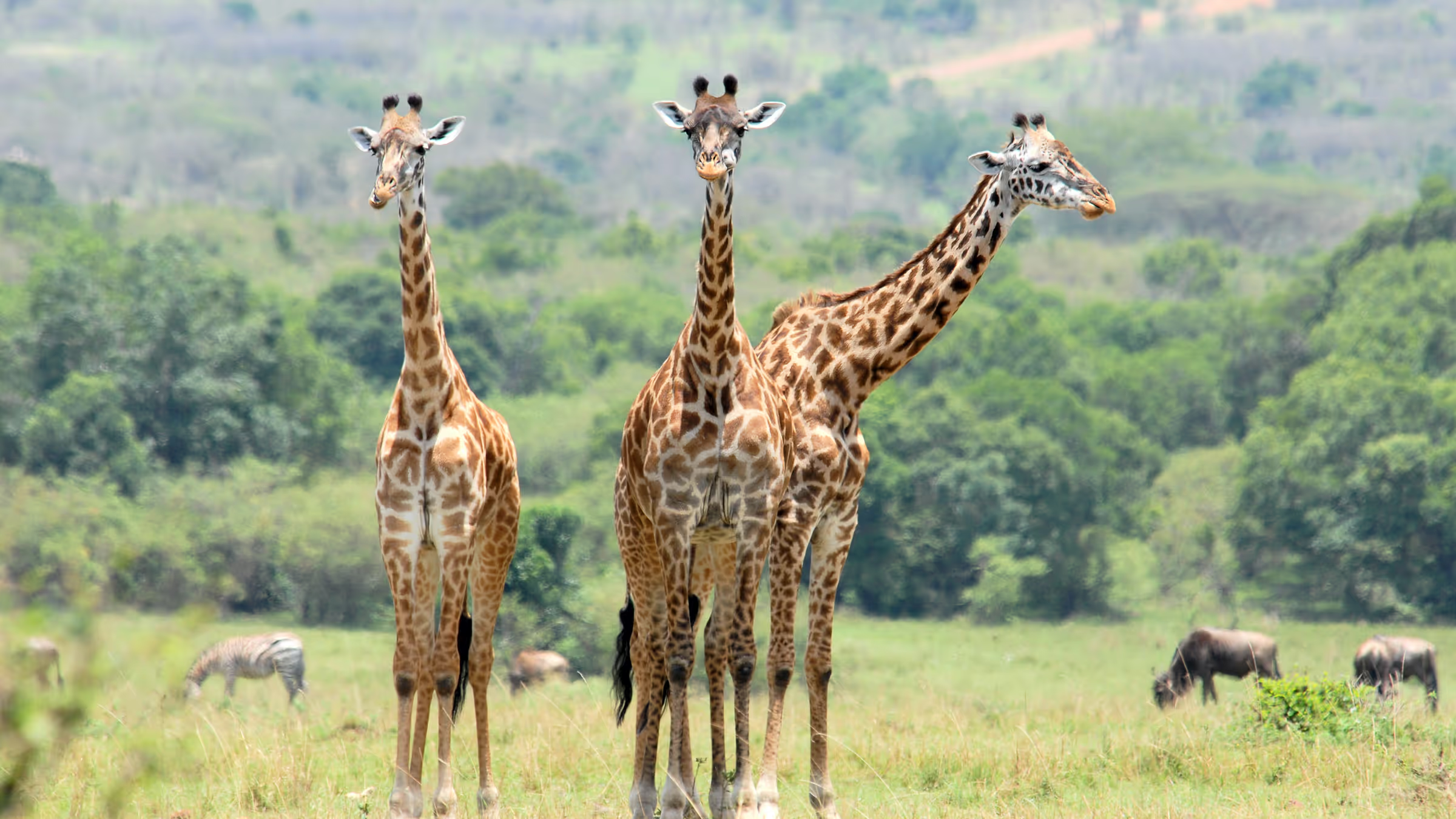
Arusha National Park

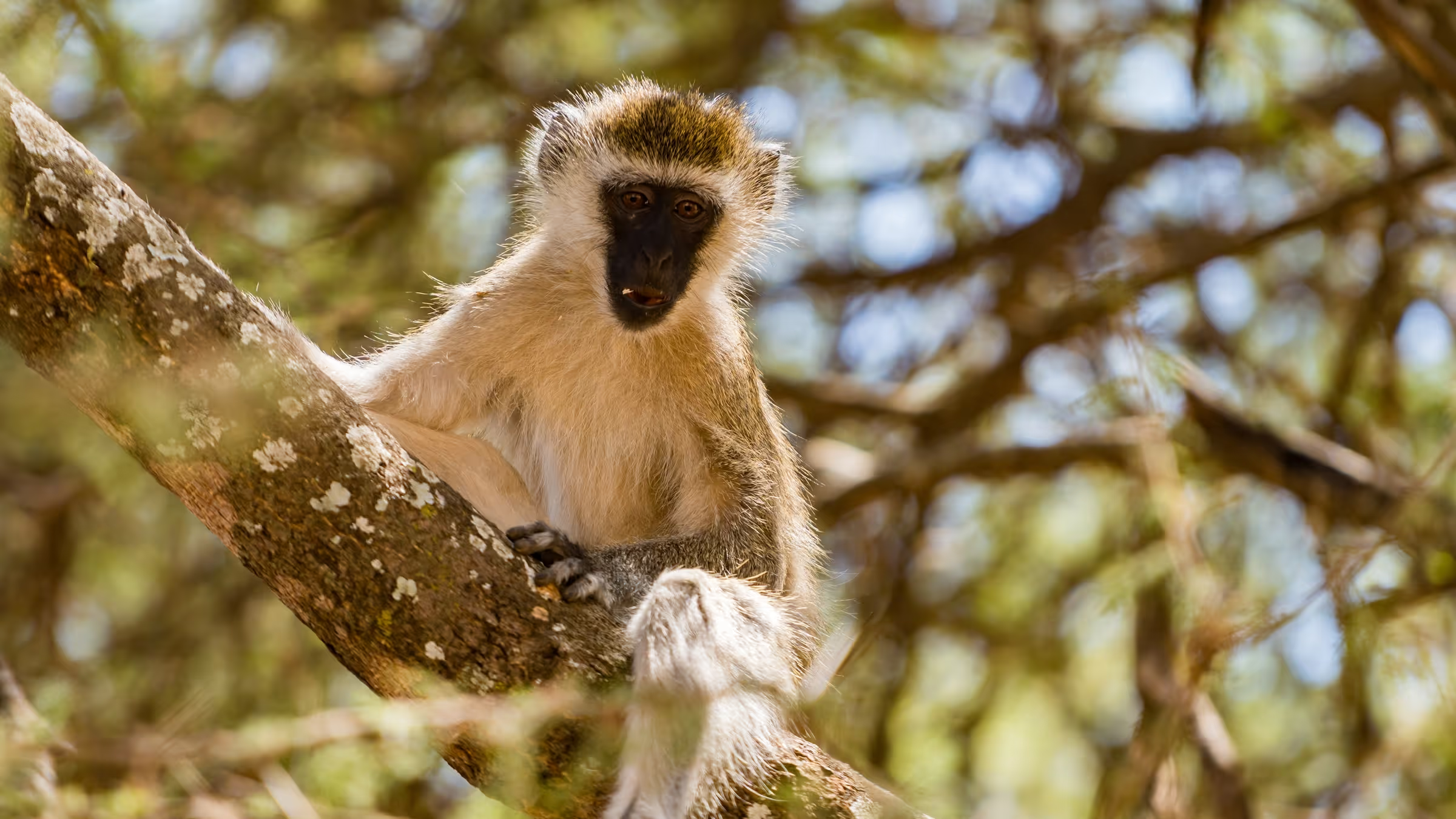
Arusha National Park, a small but diverse park near the city of Arusha, is dominated by Mount Meru. The park's three distinct areas—Ngurdoto Crater, Momella Lakes, and Mount Meru itself—offer unique experiences like walking and canoeing safaris. It's home to black-and-white colobus monkeys, giraffes, and a wide variety of birds.

Have a question about your ideal safari?

Need more information? We are here to help, so give us a call or send us a message. Our staff are happy to help you with any questions and to find the best activities based on your needs.

FAQs

I am joining a group safari. How can I get in touch with my fellow travellers before the trip?

We adhere to data privacy best practice so we don’t share the details of your fellow travellers unless they have expressly agreed to it. But we do ask our guests if they are happy with sharing contact details, and if they are, then we share. Half the fun of a trip is making new friends!

Can I store excess luggage during my trek or safari?

Yes, we can store all your items that you won't need on your trek or safari for you, and hand them back safe and sound when you return to Moshi. We’d appreciate that you don’t bring your grand piano with you, though.

What’s the best way to carry money?

We recommend a mix of money: credit card and cash in US Dollars. Moshi has plenty of banks, where you can withdraw money with your Visa (preferred) or MasterCard. Since there is a daily withdrawal limit of 1,000,000 Tanzanian shilling (roughly 570 USD) you should carry some US dollars in cash with you. This is especially handy when it comes to paying the remaining 70 % of your tour price. At our Viva Africa Tours' office we accept cash only.

For security, keep your cash in different places – in your luggage, and on your body. Keep a backup credit card separate from your main one and keep online cash safe in two different accounts. Always keep your important stuff like passport and credit cards in a money pouch close to your body and/or under your clothes. If you’ve a spare wallet or purse that you don’t mind losing, stick a few low-value notes in and a fake credit card.

Is there internet access?

Yes, internet access is possible. Moshi has a few internet cafés as well as restaurants/bars with wifi access. Most of the hotels offer free wifi. The speed of the internet differs from place to place. Please keep in mind that our infrastructure might not be as up to speed as in your country.

Will I have mobile coverage?

We love Tanzania but we have to admit our telecommunication coverage isn’t all that great and it’s a nice surprise if our own mobiles work everywhere. Your best bet is to contact your phone provider before you travel to check for global roaming and prices. Alternatively, you can easily purchase a local sim card in Moshi, but make sure that your phone is unlocked or it won’t work.

What kind of adapter do I need to charge my electronic devises?

Tanzania has two type of plugs Type G (British) and Type D (Old British). Type G is the more common plug, but there are still places that use Type G. We recommend to bring an adapter that covers both plugs.

What documents do I need to carry with me?

We’ve prepared a complete packing list, which will give you an overview of what travel documents you’ll need to carry with you. We recommend you make copies of your documents (you can also take pictures with your smartphone and store them in the cloud online so that you can access them anywhere). Don’t forget to carry two extra passport photos with you and the contact details of your embassy.

What is the local currency in Tanzania?

Tanzania's currency is the Tanzanian shilling (TZS). It’s called the shilingi in Swahili One US Dollar is worth 2,483 TZS (November 2025).

  • Bills: 10,000 TZS; 5,000 TZS; 2,000 TZS; 1,000 TZS and 500 TZS
  • Coins: 500 TZS, 200 TZS, 100 TZS and 50 TZS.

You can find the most up to date conversion rate here.

Do you help with visas?

Sorry, we can’t help you with the visa application process but you can apply easily through the Tanzanian embassy in your home country.

What are the visa requirements for Tanzania?

It’s best to check your visa requirements with Tanzania's embassy in your home country, or with your foreign office department. Visa rules differ depending on where you’re from. The Tanzanian embassy website will always have the latest information about requirements and costs, and you’ll be able to download the correct forms.

Are airport transfers included?

All our treks and packaged trips that aren’t safaris include airport transfers to and from the airport. For our safaris, which start and end in Moshi, you’ll need to book the airport transfers for 40 USD per one way. Please provide us with your flight details (arrival time + flight number) via info@vivaafricatours.com.

What vaccinations are recommended for Tanzania?

At least two months before your trip please visit your doctor or specialist travel health professional to ensure that your vaccinations are up to date. These vaccines should include measles-mumps-rubella (MMR) vaccine, diphtheria-tetanus-pertussis (Tdap) vaccine and polio vaccine. Vaccinations against hepatitis A + B, typhoid and rabies are also recommended. If you’re travelling to Zanzibar you’ll need to have a yellow fever vaccination. Tanzania in general does not require a yellow fever vaccination, but if you have a connecting flight within Africa, you’ll need a yellow fever certificate to enter Tanzania. Also consider malaria prophylaxis. If you need emergency medical assistance during your trip, dial 112 and ask for an ambulance. You should contact your insurance/medical assistance company promptly if you are referred to a medical facility for treatment.

What precautions should I take to avoid stomach troubles in Tanzania?

Cleanliness is very important when handling all food. Wash your hands as often as possible with soap, especially before meals. Where sanitation facilities are limited or rudimentary, alcohol hand cleaning gel can be very effective. Bring a few travel-sized bottles from home. They’re very easy to carry anywhere. Although Tanzanian street food looks and smells tasty, avoid it if you have a sensitive stomach. Eat it only if it’s been cooked piping hot in front of you and served on clean plates. Food that has been recently prepared, cooked and served piping hot is generally safe to eat, as is fruit (e.g. bananas and oranges) that you can peel yourself. Dairy products that have been pasteurised such as yoghurt, cheese and milk are generally safe (and tasty!) to eat.Avoid:

  • Uncooked fruit and vegetables, including salads
  • Cooked food that has been left uncovered e.g.in buffets
  • Unpasteurised dairy products
  • Raw or undercooked meat, fish and shellfish
  • Ice

Only buy water in bottles that are served in factory-produced cans or bottles with intact seals. Carbonated drinks, fruit drinks and pasteurised drinks in this condition are generally safe to drink. Don’t drink anything where you suspect the seal has been tampered with. Tea and coffee made with boiling water and served piping hot are also generally safe to drink. If you don’t have bottled water, you can kill bacteria and other nasties by bringing the water to a rolling boil. Don’t drink the tap water or clean your teeth with it.

What is a game walk/walking safari?

A game walk is a walking safari inside or near a national park. You’ll enjoy a stroll or hike surrounded by the wildlife, but, don’t worry, you’ll be escorted by a professionally-trained armed guard with radio. Game walks are possible at all National Parks, we recommend our Arusha National Park day trip for a more relaxed game walk.

What is the Great Migration?

The Great Migration is the annual movement of 1.2 million wildebeest and zebra between Tanzania’s Serengeti National Park and Kenya’s Maasai Mara.

What are the Big Five?

The Big Five are the rhino, elephant, lion, leopard and buffalo. The Big Five is a term that originated with hunters who hunted game. The Big Five were the most difficult to hunt and at that time it was believed that the Big Five hunted people. These days the Big Five is just a marketing term used by safari companies. Tanzania is home to the Big Five but it’s also home to so much more than that - from the smallest Kilimanjaro mouse shrew to the biggest bull elephant, Tanzania’s native fauna is something to get excited about and be proud of. We’re hoping that our guests are happy to enjoy the full range of the beautiful creatures that live here, and not be hung up on the Big Five at the expense of other animals.

But on safari with us there is a good chance that you’ll meet the Big Five up close and in the wild.

How much shall I tip the crew?

Gratuities in the Tanzanian tourism industry generally follow the US system. Tipsare not included in your tour price but we’ve put together helpful guidelines for tipping your safari crew:

  • 1 Safari Guide- $20.00 per day
  • 1 Safari Cook- $20.00 per day

Will I be able to charge my electronic devices on safari?

Most lodges have outlets so you will be able to recharge batteries. However, because the lodges are run on generators, the electrical current is not as strong as traditional electrical currents, and some lodges turn off their generators at midnight. Keep in mind Tanzania uses 220v electricity and you’ll need to bring the right converters and adaptors (Type D & Type G). Some of the campsites offer outlets in the dining area. Campsite etiquette dictates a first- come-first-servedprinciple.

Our safari trucks have charging ports that you can use when you’re on the move.

What are the road conditions in Tanzania?

Roads between towns and the national parks of the Northern Safari Circuit are generally well-maintained and a comfortable ride (except for the road to the Serengeti). Inside the national parks all roads are pretty rough and not maintained so well. They become muddy during the rainy season and dusty during the dry season. But you didn’t come here for the fast roads!

What are Viva Africa Tours' safari vehicles like?

Our safari vehicles are 4x4 Toyota Land Cruisers with an open roof, which is perfect for wildlife viewing. The seats have been adapted to full-size seats to make the time you’re sitting down comfortable.

Do you offer joint group safaris?

Yes, we offer many routes and dates for group safaris. Group safaris are great if you’re a group of friends or family (obviously) but they’re even better if you’re a solo traveller and you’d like all the fun and awe of a safari but you don’t want to go it alone. It’s cheaper for you, too. Group safaris can be magical. At the beginning of the tour, you’re a group of like-minded strangers but through your amazing safari experiences you’ll be best of friends by the end. Many people have made lifelong friends through our group safaris, and visit us again the next year!

What is Tanzanian food like and should I try some?

Tanzanian food is hearty, tasty and filling and yes, you should definitely eat like a Tanzanian. Staple foods found throughout Tanzania include ugali (maizemeal), chapati (thick naan-like bread), kichumbari (tomato, cucumber, bell pepper salad), nyamachoma (barbecued meat- goat, chicken, beef) and mchicha (green vegetable stew). Dishes specific to Northern Tanzania include ndizinyama (banana beef stew) and mahindimaharage (maize and bean stew). If you would like to try local Tanzania food, let us know prior to your climb or safari and we’ll include some local dishes on your menu.

What is a typical menu on a camping safari?

We love food and on a safari you’re going to work up an appetite so we’re very focussed on mealtimes to make sure that you’re well-nourished, healthy and happy. You won’t go hungry! On camping safaris, our chef will feed you well with three hearty meals daily (breakfast, packed lunch and dinner). We’ve selected our menus to make sure that you are well nourished and that you enjoy what you eat. We cater for special diets like veggie, vegan or gluten-free (see above), too.

A typical safari day’s meals might include:

Breakfast: Hot drinks such as coffee, tea, porridge and other cereals, fresh fruits prepared carefully, scrambled or fried eggs, sausage, toast, butter, honey and jam.

Lunch: A tasty packed lunch which usually includes things like sandwiches and chicken wings, boiled eggs, biscuits and crisps (oops, how did that get in? We love crisps) and well-prepared fruit. Juice to drink and we always have water available.

Dinner: Stews, soups or bakes (meat and vegetarian), rice or noodles, carefully-prepared salads and fruits. Tea and coffee.

Do I need to bring a water filter?

No, we filter the water so you won’t need to bring one.

Can I request special diet for safari?

Yes, of course. Just because you’re on safari doesn’t mean you can’t eat how you want or need to! We want to make sure all our guests are well fed and watered.

We can cater for most dietary requirements, whether they’re medical (Coeliac, food allergies), ethical (vegetarian, vegan) or religious (kosher).

We do need advance notice so that we can prepare everything for you, so make sure you tell us beforehand.

On camping safaris, what equipment does Viva Africa Tours provide?

We provide camping equipment including tents, sleeping mattresses, tables and chairs. We also provide all cooking equipment for safari. Please see our Safari Packing List for items you should bring with you to Tanzania. If you need to rent equipment such as sleeping bags or other gear, that’s not problem but please let us know in advance.

How does Viva Africa Tours choose lodges and tented camps on safari?

We’ve made it our business to research in depth the lodges and tented camps available for your safari adventure, and we only choose to work with the ones that maintain excellent guest care standards. We’re very confident in our choices and this has been supported by our guest experiences and comments. We work hard to choose the best accommodation for you from our favourite lodges and we do this on the basis of what you want. You might want a luxury experience, or to be up close to the animals, or to have a pool, or all three! Maybe you’re budget-conscious, so we’d choose somewhere that’s still wonderful but suits your budgets. We’re not all millionaires! But we do have a great range of different kinds of lodging, from private luxury tented lodges to adventure camping to mobile camping and beyond.