Not sure which tour to go on? Want to simply speak to someone? Leave your contact details here and we will get in contact with you in 24 hours regarding your request.
Oops! Something went wrong while submitting the form.
The Big Five in Tanzania: Where to See Them on Safari
Alfred Michael
22.07.2025
Updated on
16.10.2026
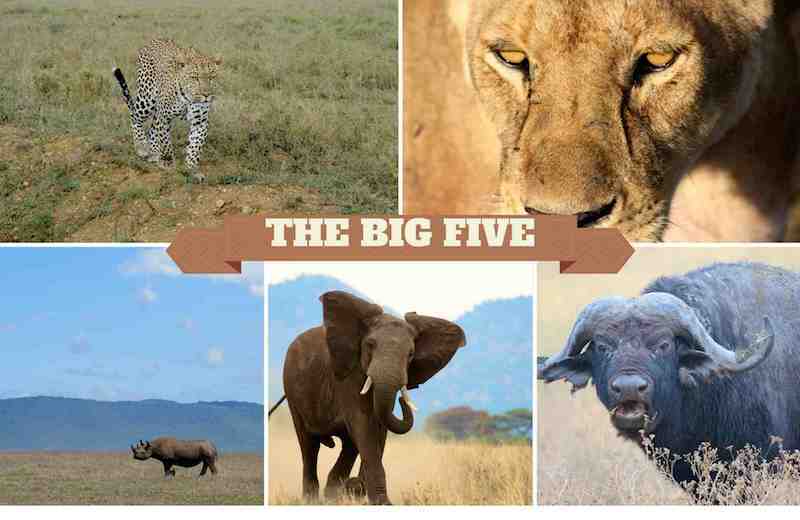
Lion, leopard, elephant, buffalo and rhino: these are the Big Five, the animals almost every safari traveller hopes to see. Tanzania is one of the best places in Africa to find all five. This guide shows where each animal lives, how easy it is to spot, the best time to go and how many days you need.
What are the Big Five?
The Big Five are the African lion, leopard, elephant, Cape buffalo and rhino. The name comes from big game hunters, who saw these five as the hardest and most dangerous animals to hunt on foot. Today the hunting is gone from safaris, but the name stuck. Seeing all five is now the goal of many first-time safaris.
Where to see the Big Five in Tanzania
All five live in northern Tanzania, close to Arusha and Moshi. Some are easy to find, others take patience and luck.
This table shows how likely you are to see each animal in the four main parks.
Serengeti
Ngorongoro
Tarangire
Lake Manyara
Lion
Common
Common
Common
Possible
Leopard
Possible
Rare
Possible
Rare
Elephant
Common
Common
Very common
Common
Buffalo
Common
Common
Common
Common
Rhino
Rare
Possible
No
No
Ngorongoro Crater: all five in one place
The Ngorongoro Crater is the only place on a classic northern safari where you have a real chance to see all of the Big Five in a single day. The crater floor is home to Tanzania's best-known population of black rhinos. Rhinos are often seen from a distance, so bring binoculars. Read more about what to expect at the Ngorongoro Crater.
Serengeti: lions and leopards
The Serengeti has one of the largest lion populations in Africa. The central Serengeti around Seronera is also one of the best areas to find leopards resting in trees along the rivers. Find out more in our guide to the Serengeti National Park.
Tarangire and Lake Manyara: elephants
Tarangire is famous for its large elephant herds and baobab trees, especially in the dry season. Lake Manyara is smaller, with elephants, buffalo and lions that sometimes rest in the trees. Neither park has rhinos.
Meet the Big Five
Lion
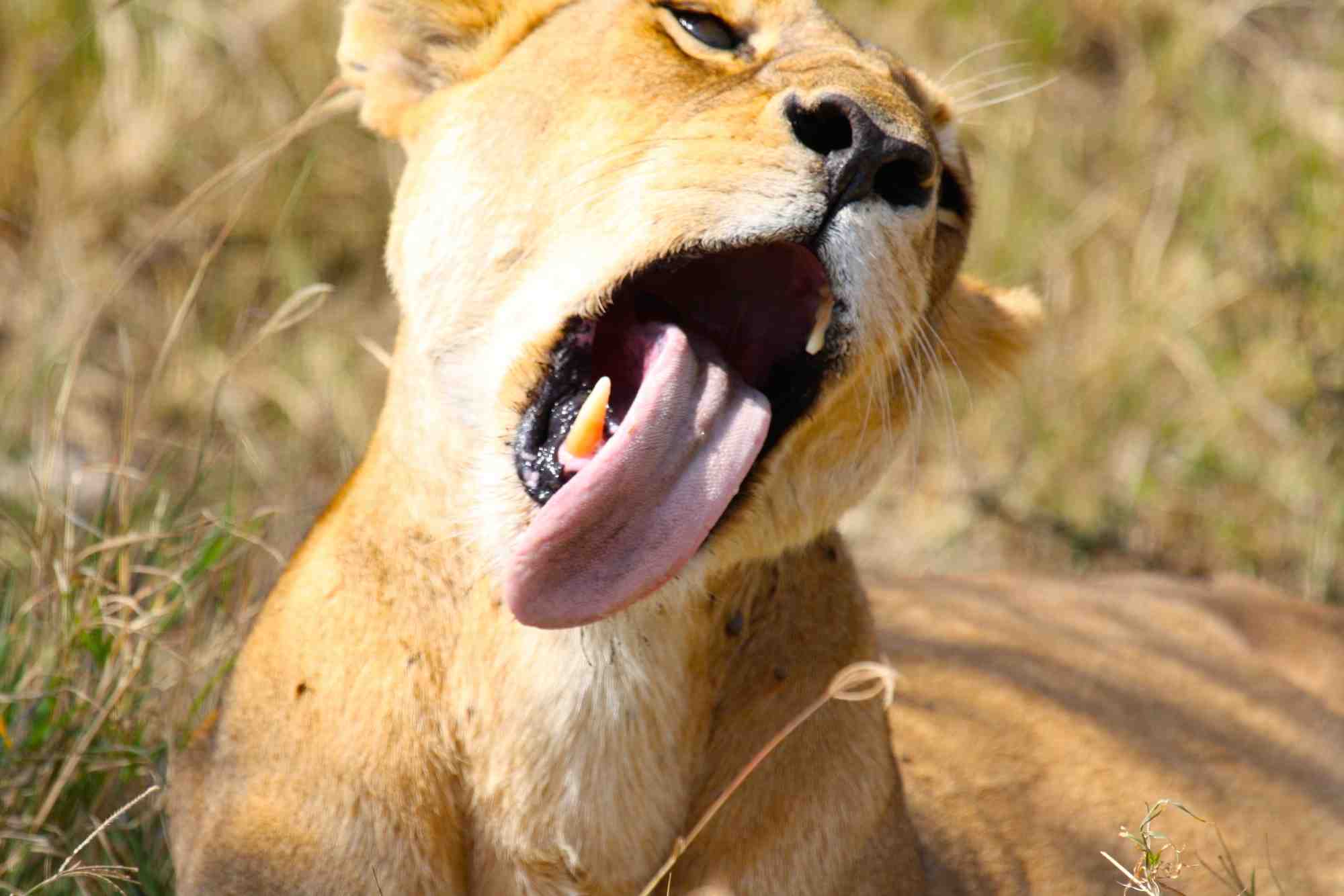
Lions are the most social of the big cats and live in groups called prides. They rest for up to 20 hours a day, so you will often find them lying in the shade. Your best chance to see them hunt is early in the morning or late in the afternoon. A lion's roar can be heard up to 8 km away.
Photo tip: Go out early: lions are most active in the cool morning light, which is also the best light for photos.
Leopard
Photo by Stephanie Birkle
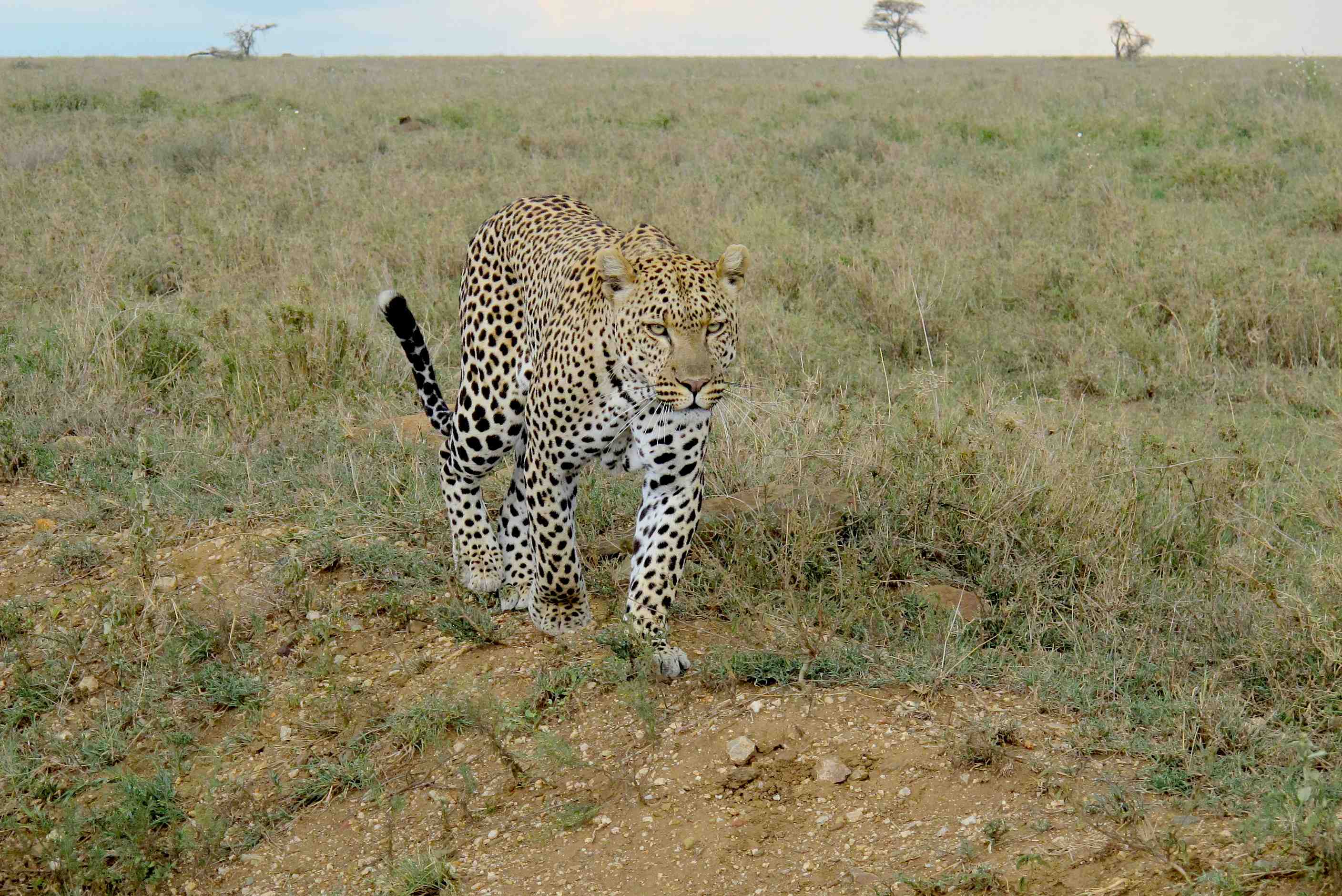
The leopard is the hardest of the Big Five to find. It lives alone, hunts mostly at night and spends much of the day hidden in trees. Leopards drag their prey up into the branches to keep it away from lions and hyenas. Look for a tail hanging down from a large tree.
Photo tip: Scan the big trees along rivers and use your longest lens. Leopards often rest high in the branches.
Elephant
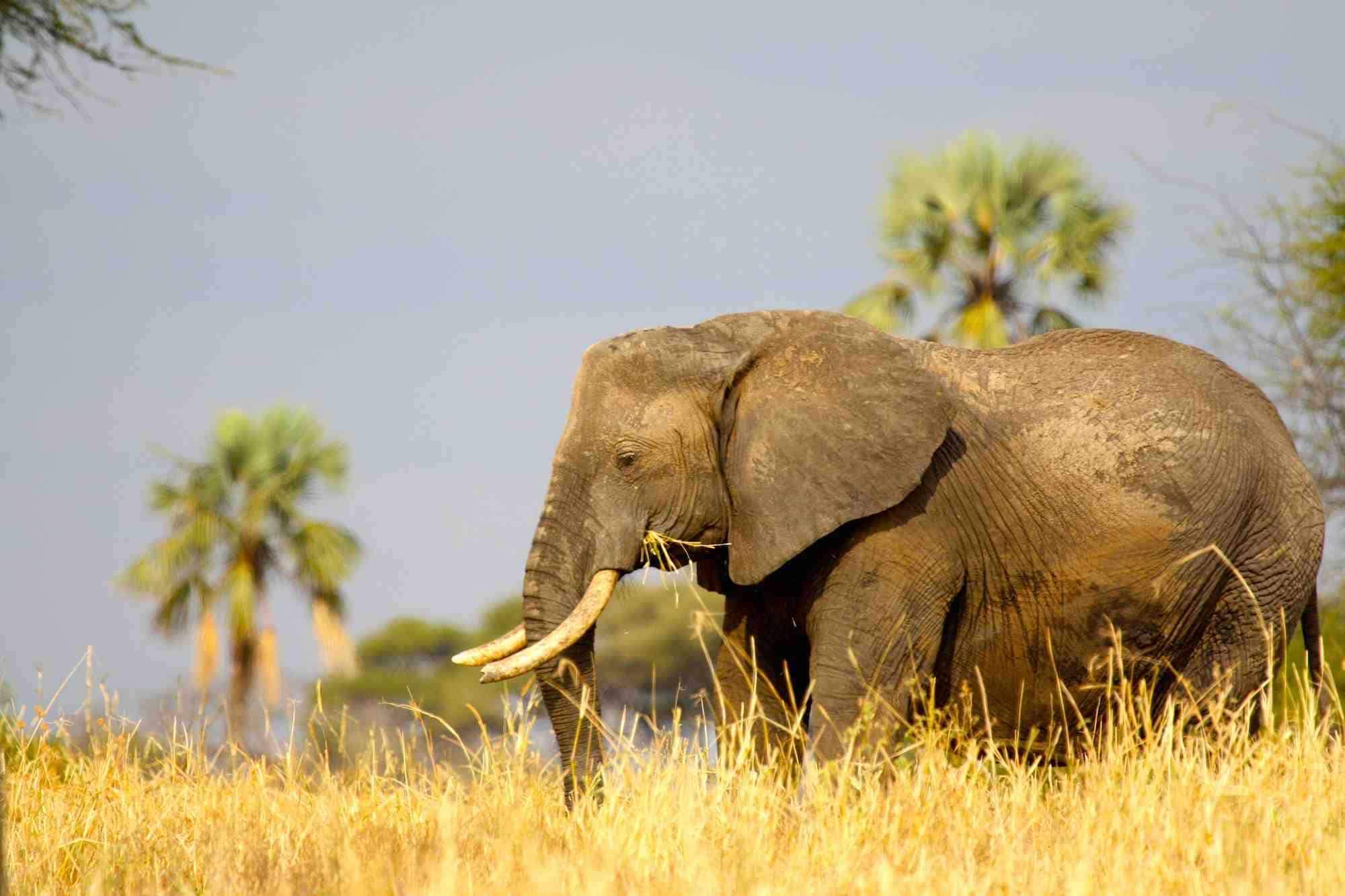
The African elephant is the largest land animal on earth. An adult eats up to 150 kg of plants a day. Elephants live in family groups led by the oldest female. They are calm if left alone, but keep your distance from mothers with calves.
Photo tip: In Tarangire, frame elephants against the baobab trees for a classic Tanzania shot.
Buffalo
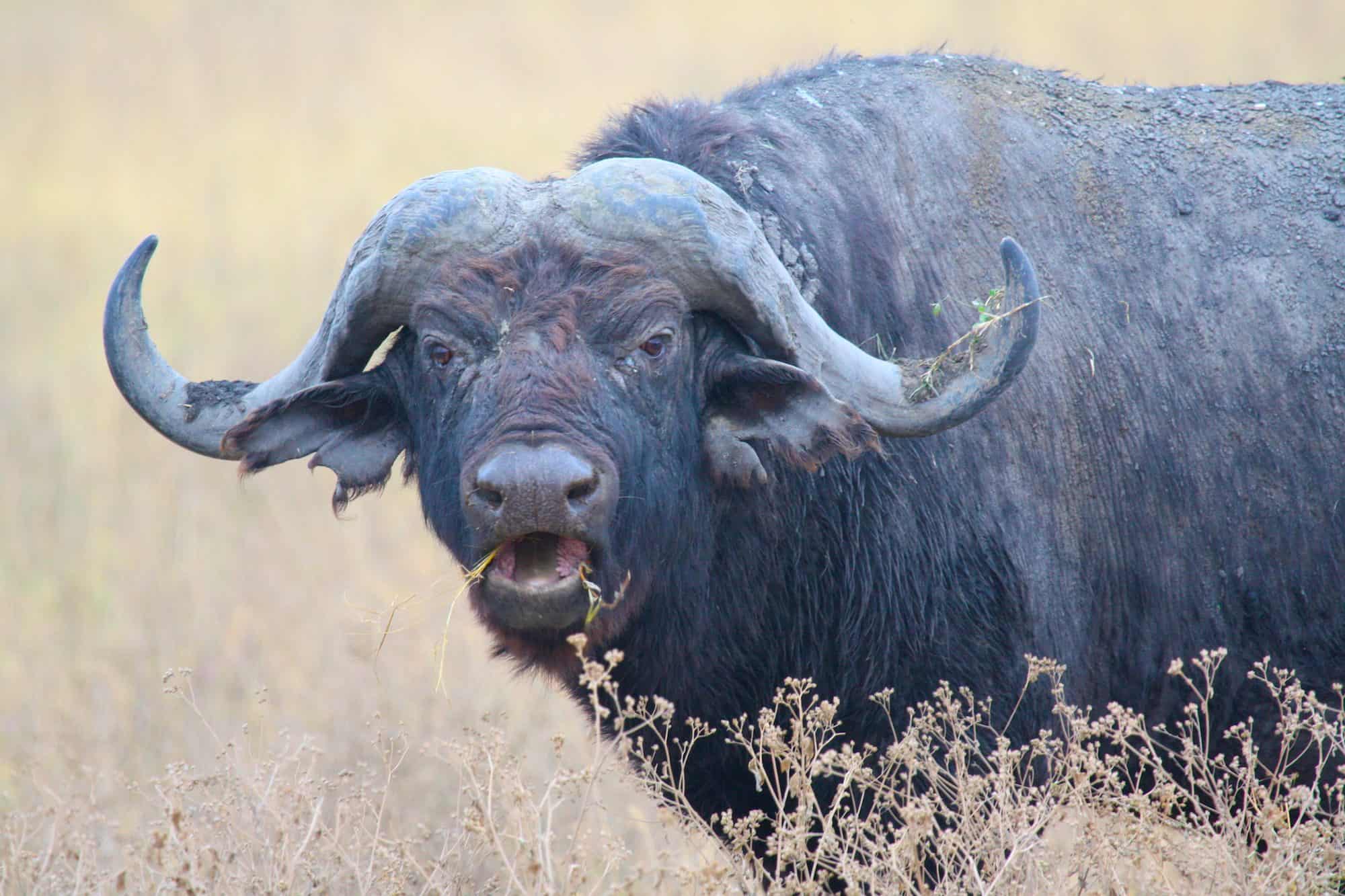
Cape buffalo live in herds that can number in the hundreds. They need to drink every day, so you will find them near rivers, lakes and swamps. They look calm, but they are known as one of the most dangerous animals in Africa, and even lions rarely attack a healthy adult alone.
Photo tip: Watch for oxpecker birds riding on their backs. They make a great close-up.
Rhino
Photo by Stephanie Birkle
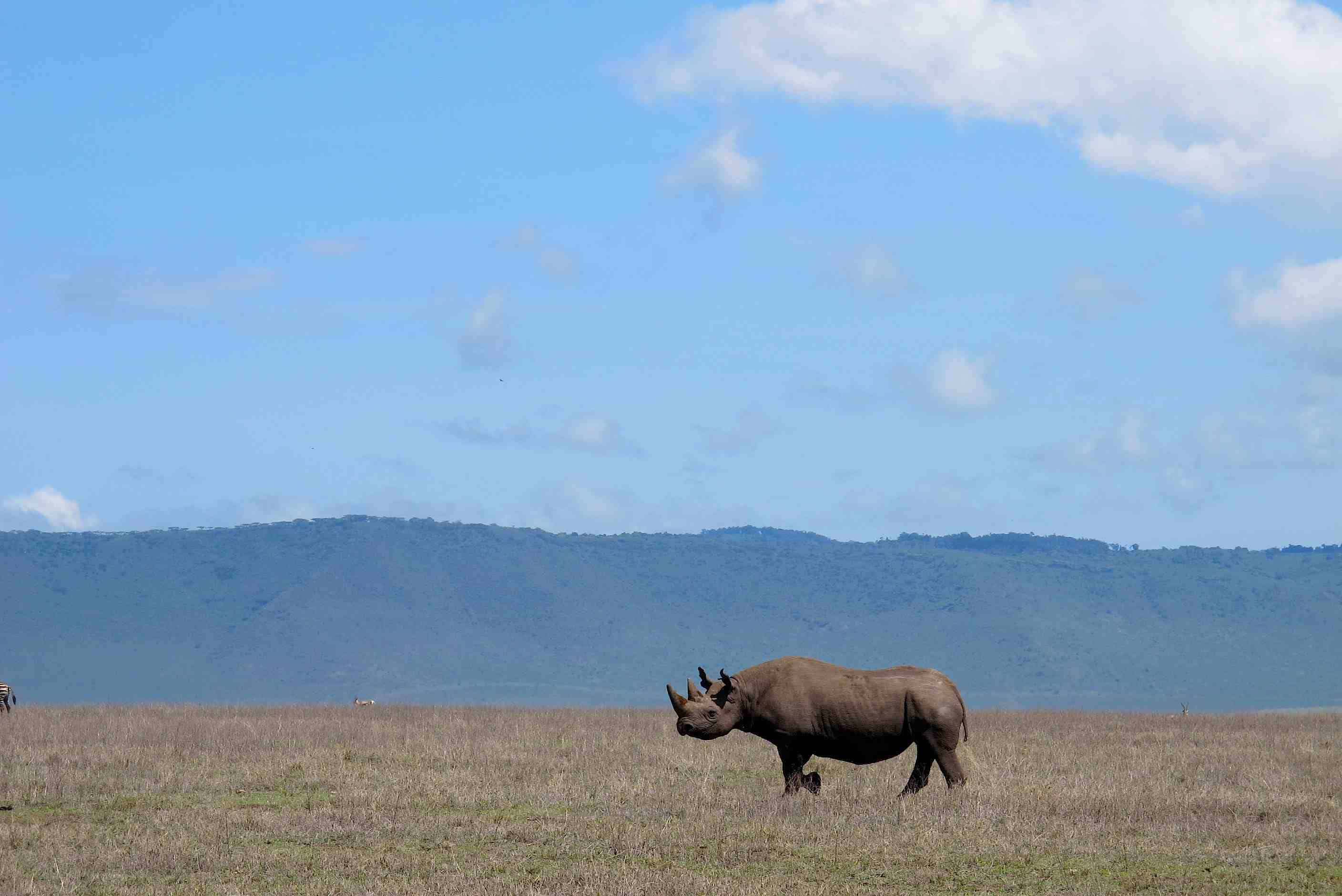
Africa has two kinds of rhino: the black rhino and the white rhino. The rhinos in Tanzania are black rhinos, which are critically endangered because of poaching. They have poor eyesight but a strong sense of smell and hearing. Seeing one in the wild is a highlight of any safari.
Photo tip: Rhinos in the crater are often far away, so a zoom lens of 300 mm or more, or good binoculars, makes a big difference.
When is the best time to see the Big Five?
You can see the Big Five all year round, but the dry season from June to October is usually the easiest time. The grass is short, the bush is thin and animals gather near water. The Ngorongoro Crater is good all year, because the animals stay on the crater floor. In the green season from November to May, the parks are quieter and the landscape is lush.
How many days do you need?
To give yourself a good chance of seeing all five, plan at least four to six days, including the Ngorongoro Crater and the Serengeti. More time in the Serengeti gives you more chances to find a leopard.
Tanzania, Kenya or South Africa for the Big Five?
All three countries are great for the Big Five, but each has its own strengths.
Strengths
Keep in mind
Tanzania
All five possible in one day in the Ngorongoro Crater. Huge parks, plus the wildebeest migration, Kilimanjaro and Zanzibar nearby.
Rhinos are few and often far away. Drives between parks can be long.
Kenya
The Maasai Mara is famous for big cats and the river crossings.
Rhinos are hard to find in the Mara, so you need extra parks such as Lake Nakuru.
South Africa
Kruger and the private reserves give good chances of all five, including rhino.
Many reserves are fenced, and there is no migration on this scale.
If you want the Big Five together with the Serengeti, the migration or a Kilimanjaro climb, Tanzania is hard to beat.
Safety and etiquette on a game drive
Stay inside the vehicle unless your guide says it is safe to get out.
Keep your voice low and avoid sudden movements.
Never feed the animals or throw anything out of the vehicle.
Give elephants plenty of space, especially mothers with calves.
Follow the park rules. Off-road driving is not allowed in most areas.
Turn off your camera flash.
Our Big Five safari
Our 6-day Big 5 Safari (from $1,235) is a camping safari that visits the four classic parks of northern Tanzania:
Day 1: Tarangire National Park. Elephant herds and baobab trees.
Days 2–3: Serengeti National Park. Full days on the plains, the best chance for lions and leopards.
Day 4: Serengeti to the Ngorongoro Crater. A last game drive, then a night on the crater rim.
Day 5: Ngorongoro Crater. An early start on the crater floor, your best chance to see rhino.
Day 6: Lake Manyara National Park. A final game drive, then back to Moshi.
Not sure which safari suits you? Browse all our Tanzania safaris.
More than the Big Five
The Big Five are only the start. On safari in northern Tanzania you can also see:
Cheetahs on the open plains of the Serengeti.
Giraffes in Tarangire, Lake Manyara and the Serengeti.
Hippos in the rivers and pools, including the hippo pool in the Ngorongoro Crater.
Zebras and wildebeest in huge herds, especially during the Great Migration.
Hyenas, often close to lions and their kills.
The Little Five
Once you have seen the big animals, look out for their small namesakes, the Little Five: the elephant shrew, the buffalo weaver bird, the leopard tortoise, the ant lion and the rhinoceros beetle. They are hard to spot, which makes them a fun challenge for keen travellers.
Big Five in Tanzania: FAQ
Where can you see the Big Five in Tanzania?
All five live in the parks of northern Tanzania. The Ngorongoro Crater is the best place to see all five, as it is the only park on the classic northern safari route with rhinos. The Serengeti is best for lions and leopards, and Tarangire for elephants.
Can you see all the Big Five in one day?
Yes, it is possible in the Ngorongoro Crater, where all five live in one area. It is never guaranteed, because leopards and rhinos are hard to find.
Which of the Big Five is hardest to see?
The leopard and the rhino. Leopards are shy and hide in trees, and the rhinos in the Ngorongoro Crater are few and often far away.
When is the best time to see the Big Five in Tanzania?
The dry season from June to October is usually best, because the bush is thin and animals gather near water. The Ngorongoro Crater is good all year round.
Plan your Big Five safari
Tell us when you want to travel and we will help you plan a safari with the best chance to see the Big Five. Contact us or email us at info@vivaafricatours.com.
Unsure what is the right package for you? Need more information? We are here to help, so give us a call or send us a message. Our staff are happy to help you with any questions and to find the best activities based on your needs.